
Peptide stacks
Stacking refers to the practice of combining multiple peptides in a single research protocol to target complementary biological pathways. Browse every combination we've documented across our full catalog — each one links directly to the relevant product pages.
74
Products with stacks
312
Documented pairings
100%
Research use only
Research use only. All information on this page refers to preclinical research models. Peptide stacking protocols described here are for laboratory and analytical purposes only and do not constitute medical advice. Products are not approved for human use.
What is peptide stacking?
Peptide stacking is the simultaneous or sequential use of multiple peptide compounds within a single research protocol. Each peptide in a stack typically targets a different receptor system or biological pathway, allowing researchers to study multi-pathway interactions that would not be visible when testing compounds in isolation.
Stacks are designed around research goals. A recovery-focused stack might combine BPC-157 with TB-500 to study joint and tissue repair, while a metabolic stack might pair a GLP-1 agonist with a selective lipolytic compound to examine complementary fat-burning mechanisms.
Every card below links to individual product pages for complete compound profiles, dosing guides, COAs, and additional context on each pairing.
01
Synergistic pathways
Different peptides target distinct biological mechanisms. Combining them allows researchers to activate multiple pathways simultaneously, potentially producing results that neither compound achieves alone.
02
Protocol flexibility
Stacking allows researchers to tailor protocols to specific research goals — whether that's tissue repair, metabolic support, cognitive function, or hormonal modulation.
03
Complementary mechanisms
Many peptides work through separate but complementary receptor systems. Pairing them can broaden the scope of a study while keeping individual dosages within the ranges used in preclinical models.
04
Established in literature
Peptide combinations such as BPC-157 + TB-500 and CJC-1295 + Ipamorelin are among the most cited multi-compound protocols in preclinical research, providing a foundation for further investigation.
All documented stacks
Every product with a defined stacking protocol — search by peptide name or companion to find relevant combinations. Each card links directly to the product page.
74 of 74 stacks
Preclinical explorations suggest that combining 5-Amino-1MQ with complementary compounds can enhance its metabolic and NAD+-boosting effects, potentially amplifying fat oxidation, energy production, and cellular repair pathways. These stacks are often investigated in models of obesity, aging, and exercise adaptation, where synergistic inhibition of NNMT alongside other mechanisms may lead to more pronounced outcomes in body composition and mitochondrial function. Always align stacks with specific research goals, monitoring for interactions in controlled settings.
Stacks with (5)
Cycling:Cycling these stacks in 4–8 week periods with off-times may help sustain efficacy, as prolonged NNMT inhibition could lead to adaptive responses in metabolic models.
Preclinical research indicates that pairing ACE-031 with synergistic agents can heighten its myostatin-blocking impact, potentially leading to greater muscle gains, better recovery, and improved metabolic outcomes in models of wasting or hypertrophy. These combinations are frequently examined in scenarios involving muscle disorders, aging, or performance, where multiple pathway targeting may yield amplified effects on tissue building and strength. Align stacks with specific research aims, monitoring for interactions in controlled laboratory settings.
Stacks with (4)
Cycling:Cycling stacks in 4–8 week intervals with breaks may help maintain responsiveness, as sustained myostatin suppression could prompt adaptive changes in muscle models.
Adamax is commonly studied alongside other nootropic, neuroprotective, and repair-focused peptides to explore multi-pathway effects on BDNF signalling, neuroplasticity, and cognitive performance.
Stacks with (5)
Cycling:Standard Adamax cycles run 8–12 weeks with an equal off-period. Stacked peptides with different half-lives (e.g., Cerebrolysin, NAD+) may follow independent cycling schedules.
Adipotide can be combined with complementary peptides to enhance fat loss and metabolic outcomes in research protocols focused on targeted adipose reduction.
Stacks with (5)
AHK-Cu can be combined with other copper peptides and regenerative agents for comprehensive hair restoration and skin rejuvenation outcomes.
Stacks with (4)
Cycling:Cycle stacks over 4–8 weeks with breaks to sustain benefits and prevent adaptation.
AICAR can be combined with other metabolic and mitochondrial peptides for synergistic AMPK activation and enhanced energy metabolism research.
ARA-290 can be combined with other neuroprotective and regenerative peptides for comprehensive nerve health and anti-inflammatory research.
Stacks with (5)
Preclinical research suggests combining BPC-157 with complementary peptides can enhance tissue repair and regeneration outcomes. These combinations are frequently examined in injury recovery, wound healing, and regenerative medicine research, where multiple pathway targeting may yield amplified effects on tissue building and repair.
Stacks with (4)
Cycling:Standard research cycles are 8–12 weeks with optional extension to 16 weeks. Consider rest periods between cycles to maintain responsiveness.
Preclinical research suggests combining BPC-157 with complementary peptides can enhance tissue repair and regeneration outcomes. These combinations are frequently examined in injury recovery, wound healing, and regenerative medicine research.
Stacks with (5)
Cycling:Standard research cycles are 8–12 weeks with optional extension to 16 weeks. Consider rest periods between cycles to maintain responsiveness.
The BPC-157 + TB-500 blend can be further supported with GH secretagogues and immune modulators for comprehensive recovery research.
Stacks with (7)
Cycling:Standard research cycles are 8–12 weeks with optional extension to 16 weeks. Consider rest periods between cycles.
Cagrilintide can be stacked with GLP-1 agonists and metabolic peptides for enhanced weight management and metabolic research outcomes.
Stacks with (4)
Cagrilintide can be stacked with GLP-1 agonists and metabolic peptides for enhanced weight management and metabolic research outcomes.
Stacks with (6)
Cerebrolysin can be combined with other neuroprotective peptides for comprehensive neurotrophic support and cognitive research.
CJC-1295 No DAC is most commonly combined with a GHRP for synergistic GH release, creating amplified GH pulses greater than either peptide alone.
Stacks with (3)
DSIP can be combined with other neuropeptides for synergistic sleep, stress, and cognitive support in research protocols.
Stacks with (4)
DSIP can be combined with other neuropeptides for synergistic sleep, stress, and cognitive research outcomes.
Stacks with (4)
Epithalon can be combined with other anti-aging and regenerative peptides for comprehensive longevity and cellular health support.
Epithalon synergizes well with other anti-aging and regenerative peptides for comprehensive longevity, immune, and cellular health research.
Stacks with (4)
Cycling:Cycle stacks over 20-day on periods with 4–6 month off-cycles to sustain long-term responsiveness.
Follistatin 344 can be combined with anabolic peptides for amplified muscle growth and recovery research outcomes.
Stacks with (3)
GDF-8/Myostatin can be studied alongside inhibitors and anabolic peptides for comprehensive myostatin pathway and muscle regulation research.
Preclinical research suggests combining GHK-Cu with complementary peptides can enhance tissue repair and skin regeneration outcomes.
Stacks with (4)
Cycling:Common research cycles are 8–12 weeks, extendable to 16 weeks.
Stacks with (4)
Stacks with (5)
Stacks with (4)
Cycling:Cycle these stacks in 8–12 week periods with off-times to sustain efficacy, as prolonged GHS exposure could lead to receptor desensitization in endocrine models.
GLOW Blend already combines BPC-157, TB-500, and GHK-Cu. It can be further enhanced with complementary compounds for metabolic and neuroprotective research.
Stacks with (4)
Cycling:Protocol: 4 weeks on, 2–4 weeks off. Cycle length can be extended to 8 weeks in intensive repair protocols with appropriate rest intervals.
Glutathione is commonly combined with compounds that complement its antioxidant and metabolic support roles.
Stacks with (4)
Cycling:Typical cycles: 4–8 weeks on, followed by 2–4 weeks off. Monitor oxidative stress biomarkers where possible to assess protocol response.
Gonadorelin is typically combined with complementary endocrine peptides for comprehensive HPG axis restoration and reproductive research protocols.
Stacks with (3)
Cycling:Protocols typically run 4–8 weeks with appropriate rest intervals. Gonadorelin dosing frequency must be maintained as pulsatile — avoid daily dosing.
HCG is commonly combined with complementary gonadotropins for comprehensive hormone axis restoration and fertility research protocols.
Stacks with (2)
Cycling:Maintenance protocols run 8–16 weeks. Recovery protocols: 4 weeks high-dose, tapering over weeks 5–8. Monitor hormonal markers throughout.
AOD-9604 combines effectively with growth hormone secretagogues and metabolic peptides for comprehensive body composition and fat metabolism research.
Stacks with (4)
Cycling:Standard protocols: 8–12 weeks, extendable to 16 weeks. Allow a 4-week rest between cycles to maintain receptor sensitivity.
HMG is designed to be used in combination with complementary gonadotropins for comprehensive male reproductive hormone research.
Stacks with (3)
Cycling:HMG protocols require minimum 12 weeks for spermatogenic effect. Standard cycles: 12–16 weeks on, followed by reassessment. Monitor sperm parameters at weeks 12 and 16.
Stacks with (3)
Stacks with (4)
Stacks with (4)
Stacks with (4)
Stacks with (3)
Stacks with (5)
KPV is commonly combined with other peptides in anti-inflammatory and tissue-repair research protocols.
Stacks with (4)
Cycling:Standard research protocols run 8–12 weeks. Allow a 4-week washout period before re-cycling.
Lemonbottle is often combined with complementary peptides and compounds to support broader body composition and anti-inflammatory research protocols.
Stacks with (4)
Cycling:Sessions are not cycled in the traditional sense — protocols run 3–6 sessions spaced 7–14 days apart, then a rest period of 4–8 weeks before re-evaluation.
Lipo-C is commonly researched alongside GLP-1 agonists and metabolic support compounds. The lipotropic blend targets hepatic and adipose fat mobilization, complementing appetite-suppressing and insulin-sensitizing compounds in comprehensive weight management and metabolic research protocols.
Stacks with (4)
Cycling:Lipo-C is typically used continuously during weight management protocols. Injection frequency may be adjusted based on response and progress.
Lipo-C + B12 is commonly researched alongside GLP-1 agonists and metabolic support compounds, providing lipotropic liver support, mitochondrial fat oxidation, and B12-mediated energy metabolism to complement incretin-based weight management protocols.
Stacks with (5)
Cycling:Lipo-C + B12 is typically used continuously during active weight management protocols. Injection frequency can be adapted based on protocol design and response monitoring.
LL-37 is researched alongside immunomodulatory, tissue repair, and antimicrobial compounds in preclinical models. Combinations typically target synergistic support for innate immunity, wound healing, or infection biology.
Stacks with (5)
Cycling:LL-37 research cycles typically span 4–8 weeks. Rest periods between cycles are recommended to assess baseline immune function and tissue response.
Mazdutide's dual GLP-1/GCGR mechanism provides powerful appetite suppression and energy expenditure elevation. Research protocols often pair it with lipotropic support compounds to enhance hepatic fat clearance and metabolic optimization during weight reduction.
Stacks with (5)
Cycling:Mazdutide research cycles typically run 24–48 weeks based on clinical trial data. Unlike short-peptide cycles, incretin agonists are studied over extended periods for sustained metabolic benefit assessment.
Mazdutide's dual GLP-1/GCGR mechanism provides both powerful appetite control and enhanced energy expenditure. Research protocols often combine it with lipotropic liver support and mitochondrial compounds to maximize metabolic outcomes during extended weight reduction programs.
Stacks with (5)
Cycling:Mazdutide research protocols typically run 24–48 weeks based on clinical trial design. Continuous use with gradual titration is the standard approach in metabolic disease research.
Melanotan I targets MC1R-mediated melanogenesis and photoprotection. Research combinations typically focus on complementary skin health, UV protection, and pigmentation pathways.
Stacks with (4)
Cycling:Melanotan I pigmentation effects develop over 2–6 weeks and can persist for weeks to months after discontinuation. Research cycles of 4–8 weeks loading followed by maintenance phases are typical.
Melanotan II's multi-receptor activity makes it a versatile research compound for studying melanocortin system interactions. Research combinations typically focus on complementary skin, sexual health, or metabolic pathways.
Stacks with (4)
Cycling:MT-II pigmentation effects develop over 2–4 weeks with daily dosing, then maintenance can be reduced to every 2–3 days. Research cycles of 4–8 weeks loading followed by reduced maintenance dosing are typical.
MOTS-C targets AMPK-mediated metabolic homeostasis and mitochondrial signaling. Research combinations typically focus on synergistic metabolic enhancement, anti-aging pathways, and exercise performance support.
Stacks with (5)
Cycling:MOTS-C research cycles typically run 4–8 weeks with 3–5 injections per week. The combination with regular exercise training is a key feature of research protocols studying metabolic adaptation and exercise mimicry effects.
NAD+ combines effectively with mitochondrial and longevity-focused compounds for comprehensive cellular energy and healthspan research.
Stacks with (4)
Cycling:NAD+ protocols typically run 8–16 weeks. Rest intervals of 2–4 weeks allow assessment of sustained NAD+ level improvements. Monitor energy and cognitive markers for protocol response.
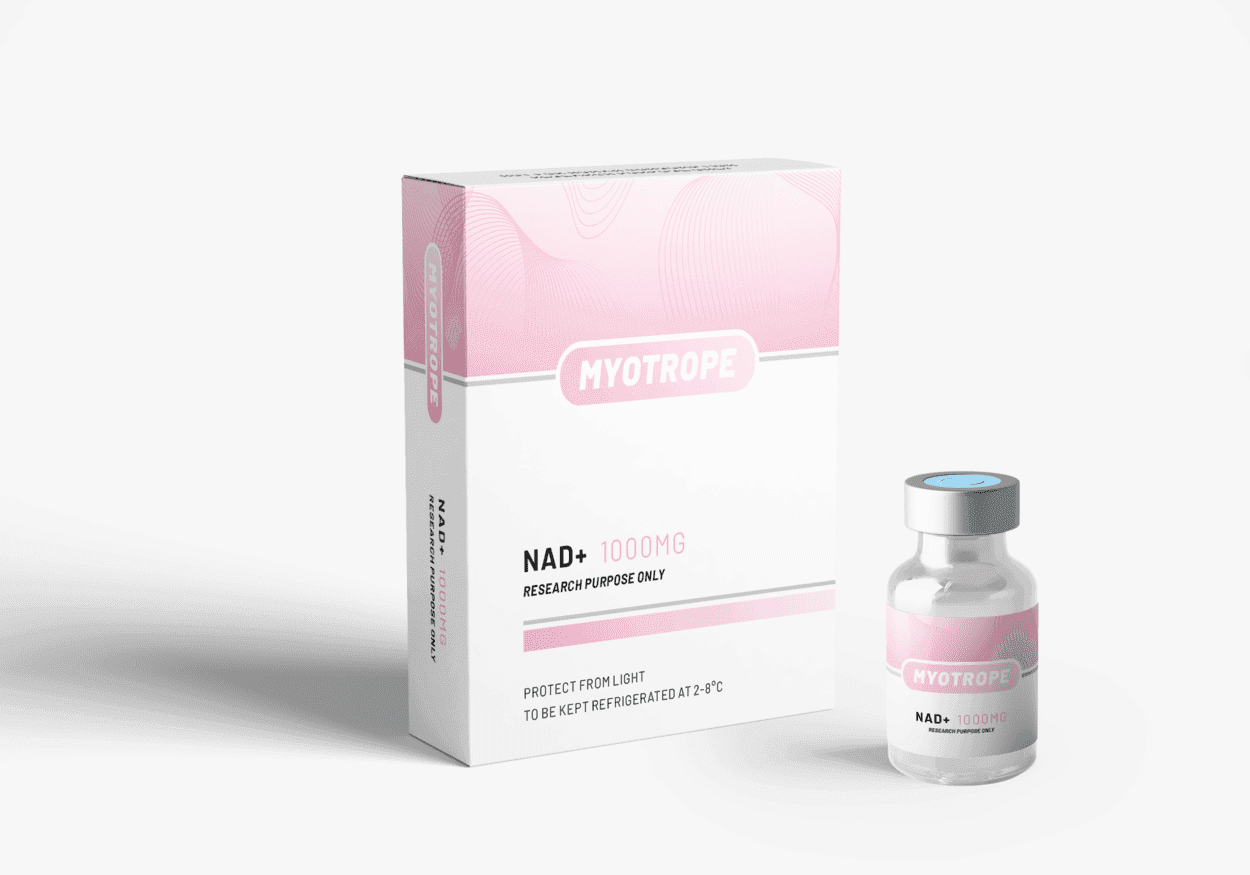
The 1000mg NAD+ vial is suited for intensive protocols and combines effectively with mitochondrial and longevity-targeted compounds.
Stacks with (4)
Cycling:8–16 week protocols. 14-day maximum shelf life of reconstituted solution means planning vial usage per 2-week periods. Allow 2–4 week rest intervals between cycles.
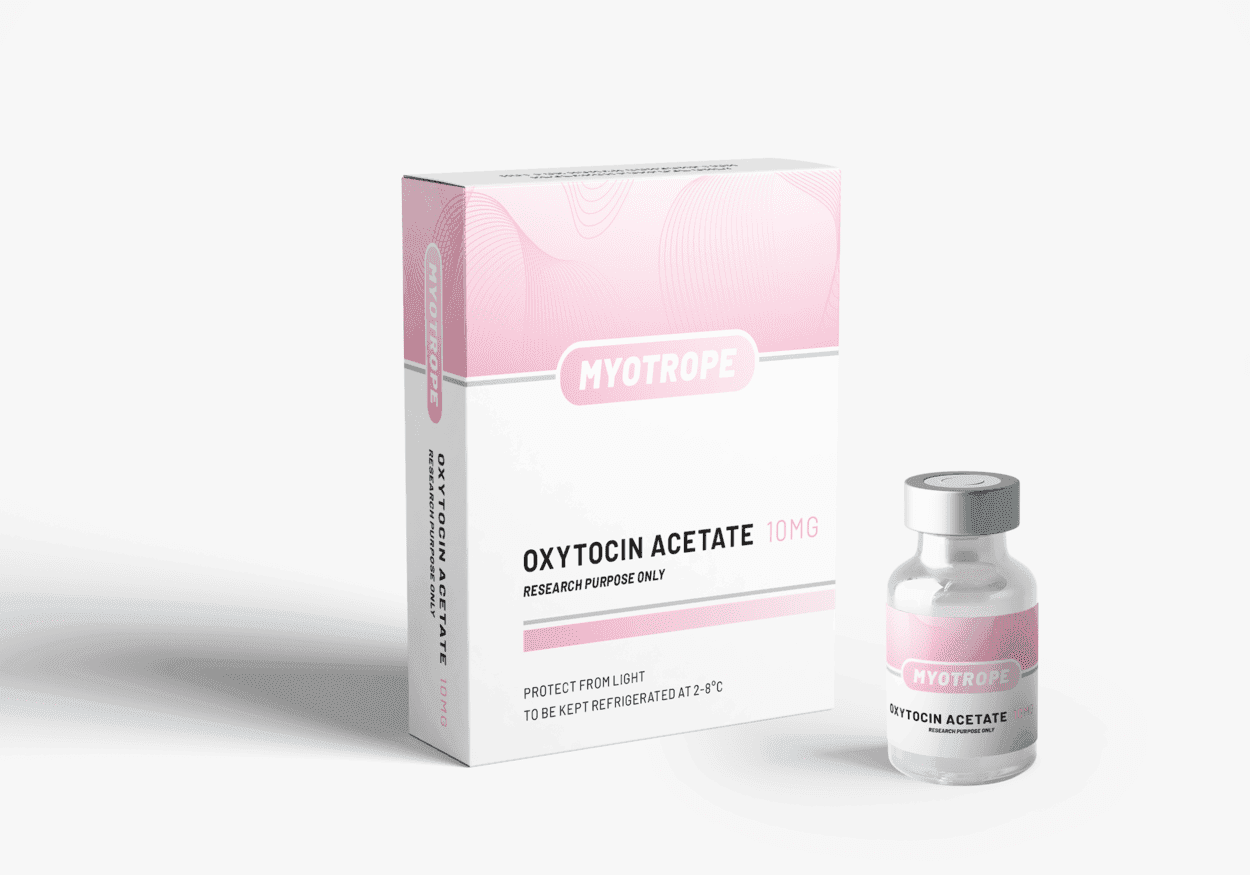
Oxytocin is often combined with neuropeptides and mood-modulating compounds for comprehensive prosocial, stress-reduction, and wellness research protocols.
Stacks with (5)
Cycling:Protocols typically run 8–12 weeks. Allow 4-week rest intervals. Monitor social and stress biomarkers where possible to assess protocol response.
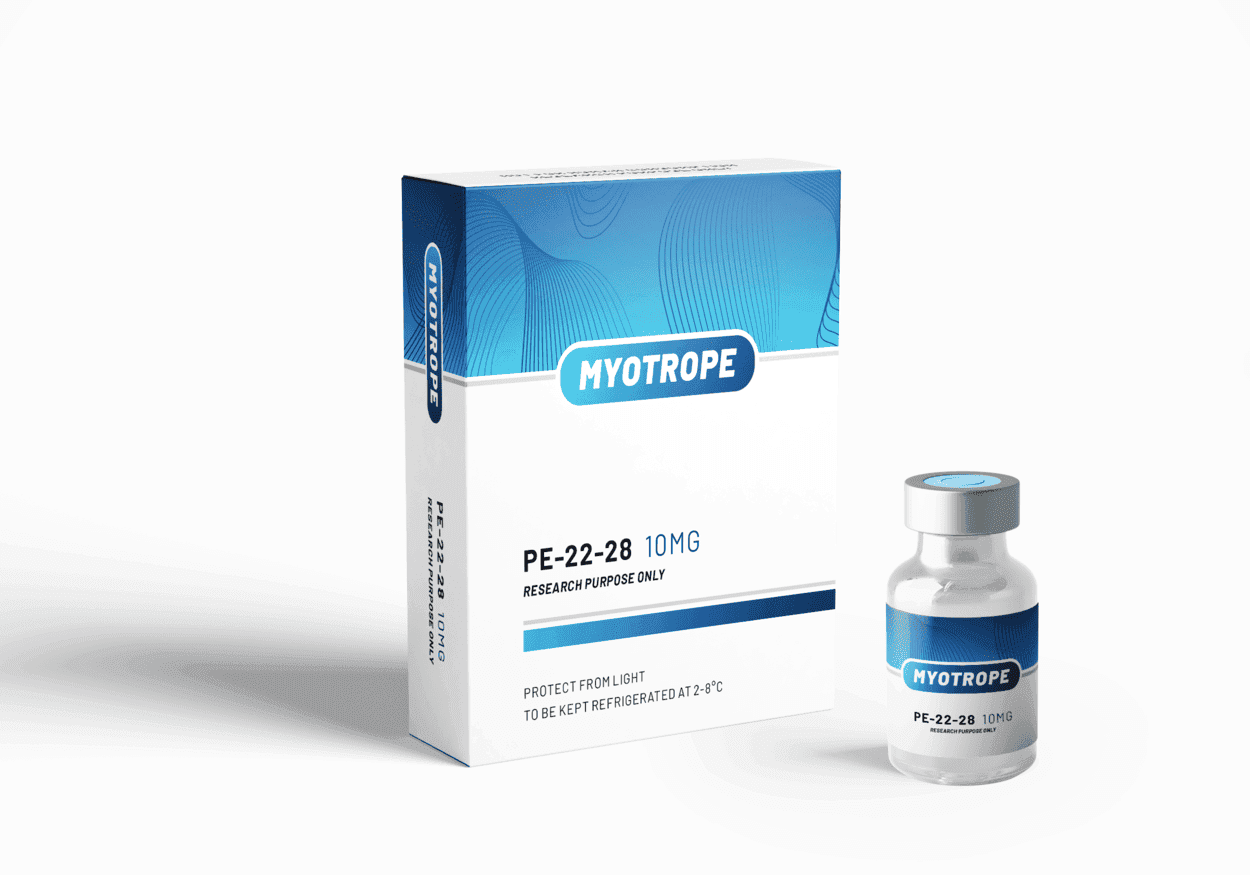
PE-22-28 is commonly combined with other neuropeptides for comprehensive neuroplasticity, cognitive support, and mood research protocols.
Stacks with (3)
Cycling:Minimum 8-week protocols are recommended to allow full neuroplastic adaptation. Standard: 12–16 weeks. Optional 5-on/2-off weekly schedule to maintain TREK-1 receptor sensitivity.
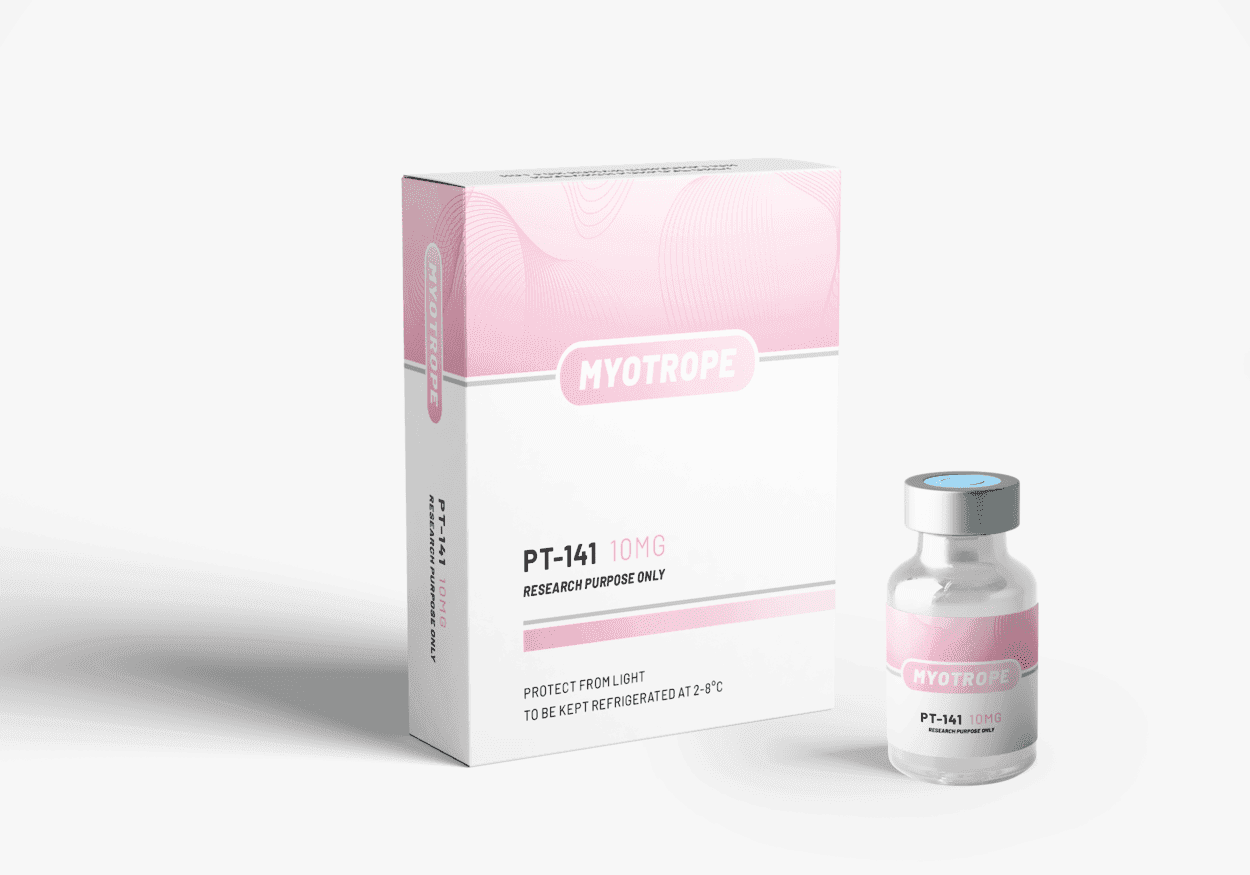
PT-141 is commonly combined with complementary compounds for comprehensive sexual wellness and reproductive hormone research.
Stacks with (3)
Cycling:On-demand: maximum 8 doses per month. Daily exploratory protocols: 8–16 weeks with 4-week rest intervals. Monitor blood pressure and skin changes throughout.
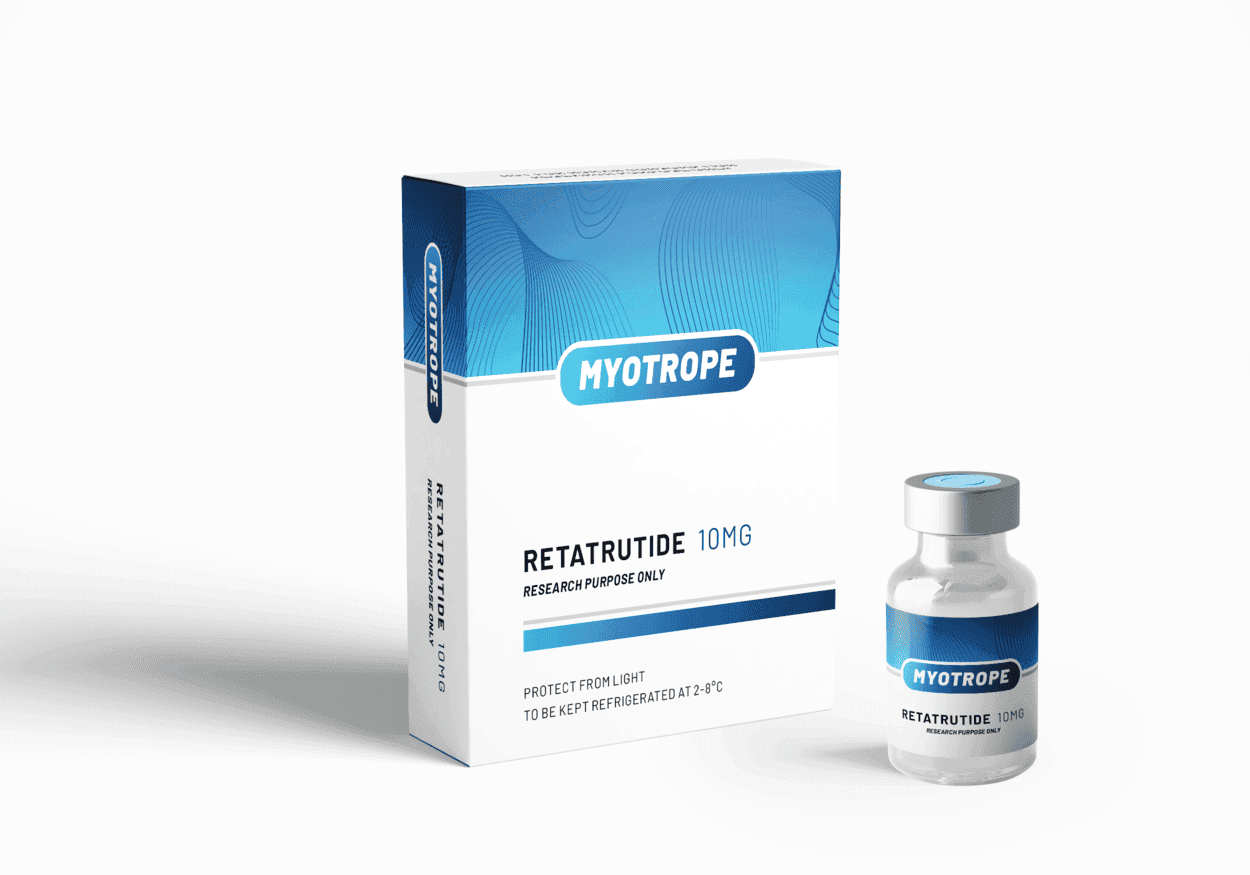
Clinical research suggests combining Retatrutide with complementary peptides can enhance weight management outcomes. These combinations target multiple metabolic pathways for amplified fat-burning effects.
Stacks with (5)
Cycling:Once-weekly subcutaneous for minimum 12 weeks (trials up to 48 weeks). Continue for ongoing fat loss results.
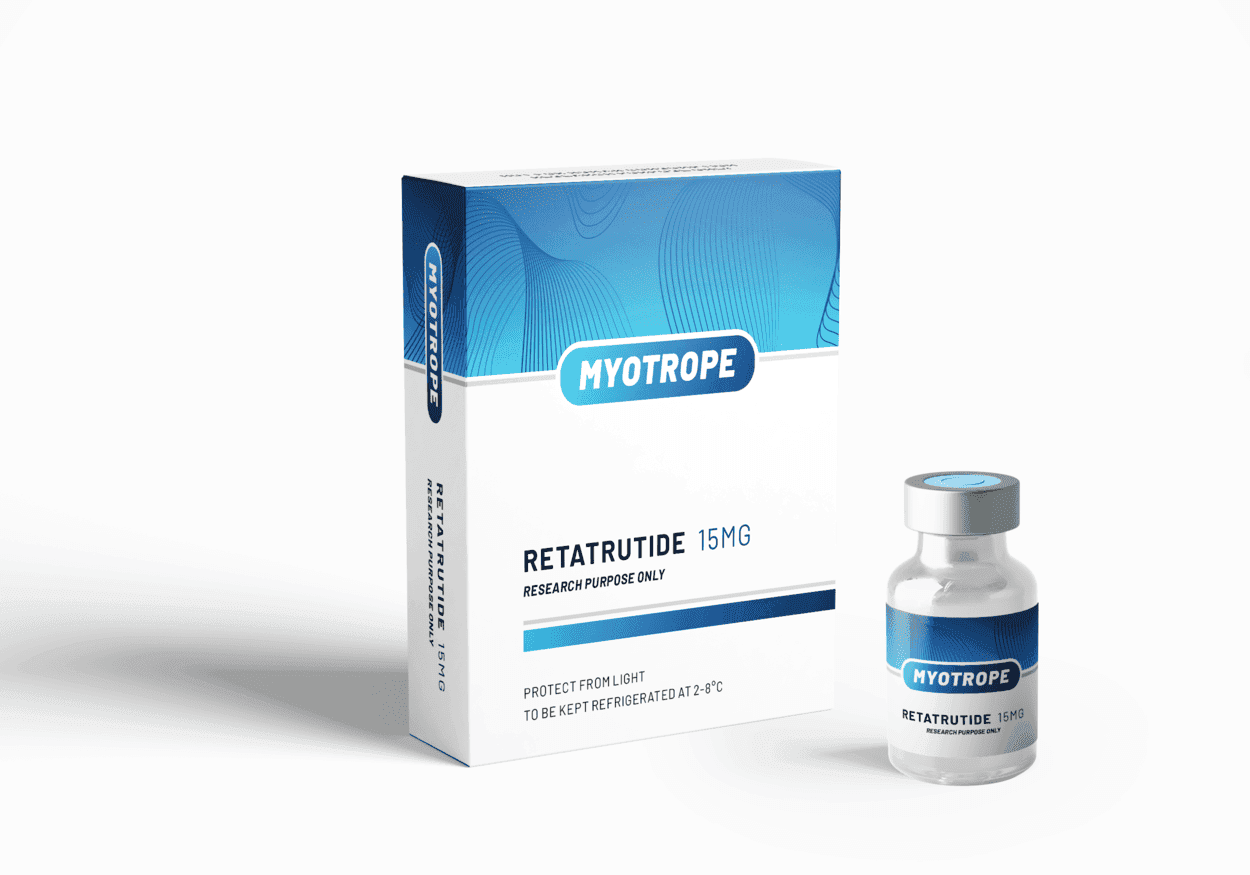
Clinical research suggests combining Retatrutide with complementary peptides can enhance weight management outcomes.
Stacks with (5)
Cycling:Once-weekly for 12+ weeks (trials to 48 weeks).
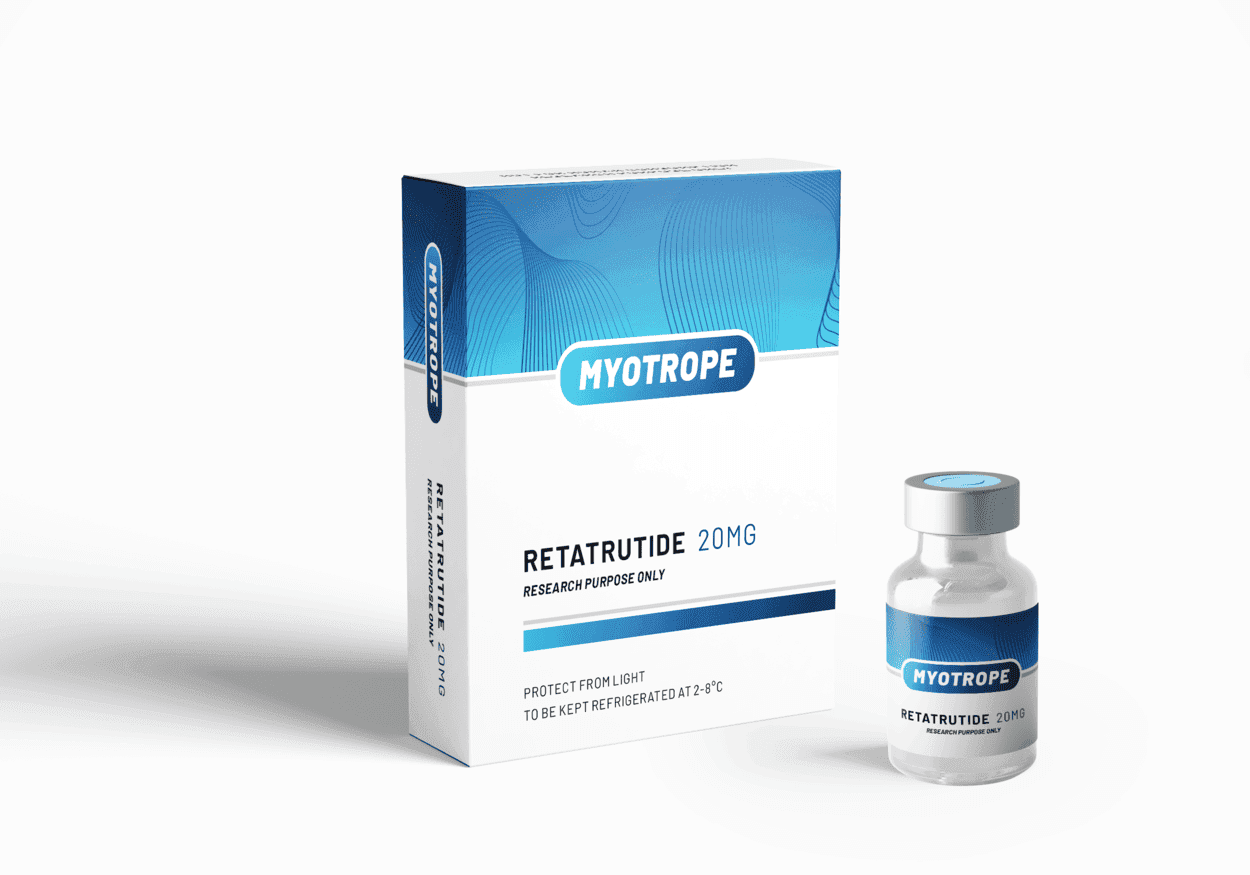
Clinical research suggests combining Retatrutide with complementary peptides can enhance weight management outcomes.
Stacks with (5)
Cycling:Once-weekly for 12+ weeks (trials to 48 weeks).
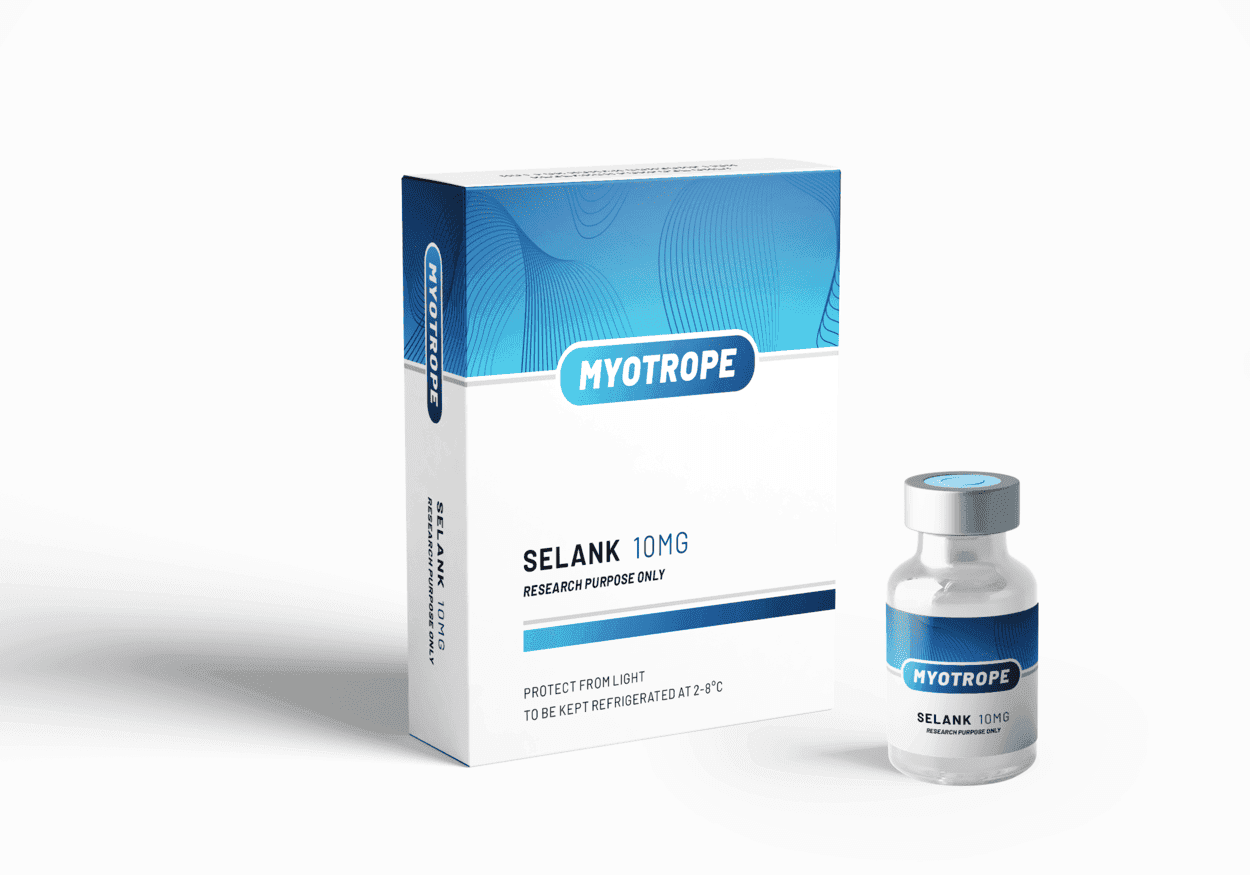
Selank is the cornerstone of Russian nootropic peptide stacks — most commonly paired with Semax for the classic cognitive-anxiolytic combination.
Stacks with (5)
Cycling:Protocol: 4 weeks on, 4 weeks off. Repeat 2–4 cycles. When stacking with Semax, both can follow the same cycle schedule.
Semax is most commonly paired with Selank in the classic Russian nootropic combination, and can be further enhanced with other neuroprotective and cognitive peptides.
Stacks with (4)
Cycling:Cycle: 4–8 weeks on, 2 weeks off. When stacking with Selank, both can follow the same cycle. Morning administration preferred for cognitive protocols.
Clinical research suggests combining Semaglutide with complementary peptides can enhance weight management outcomes. These combinations target multiple metabolic pathways for amplified fat-burning and appetite control effects.
Stacks with (5)
Cycling:Continue for sustained weight loss; clinical trials support 68+ weeks of continuous use for optimal results.
Clinical research suggests combining Semaglutide with complementary peptides can enhance weight management outcomes. These combinations target multiple metabolic pathways for amplified fat-burning and appetite control effects.
Stacks with (5)
Cycling:Continue for sustained weight loss; clinical trials support 68+ weeks of continuous use for optimal results.
CagriSema's dual GLP-1 + amylin mechanism can be further supported with metabolic and mitochondrial compounds for comprehensive weight and metabolic research.
Stacks with (4)
Cycling:CagriSema is not cycled — it is used as continuous once-weekly maintenance. Titrate to maximum tolerated dose and maintain for the full protocol duration.
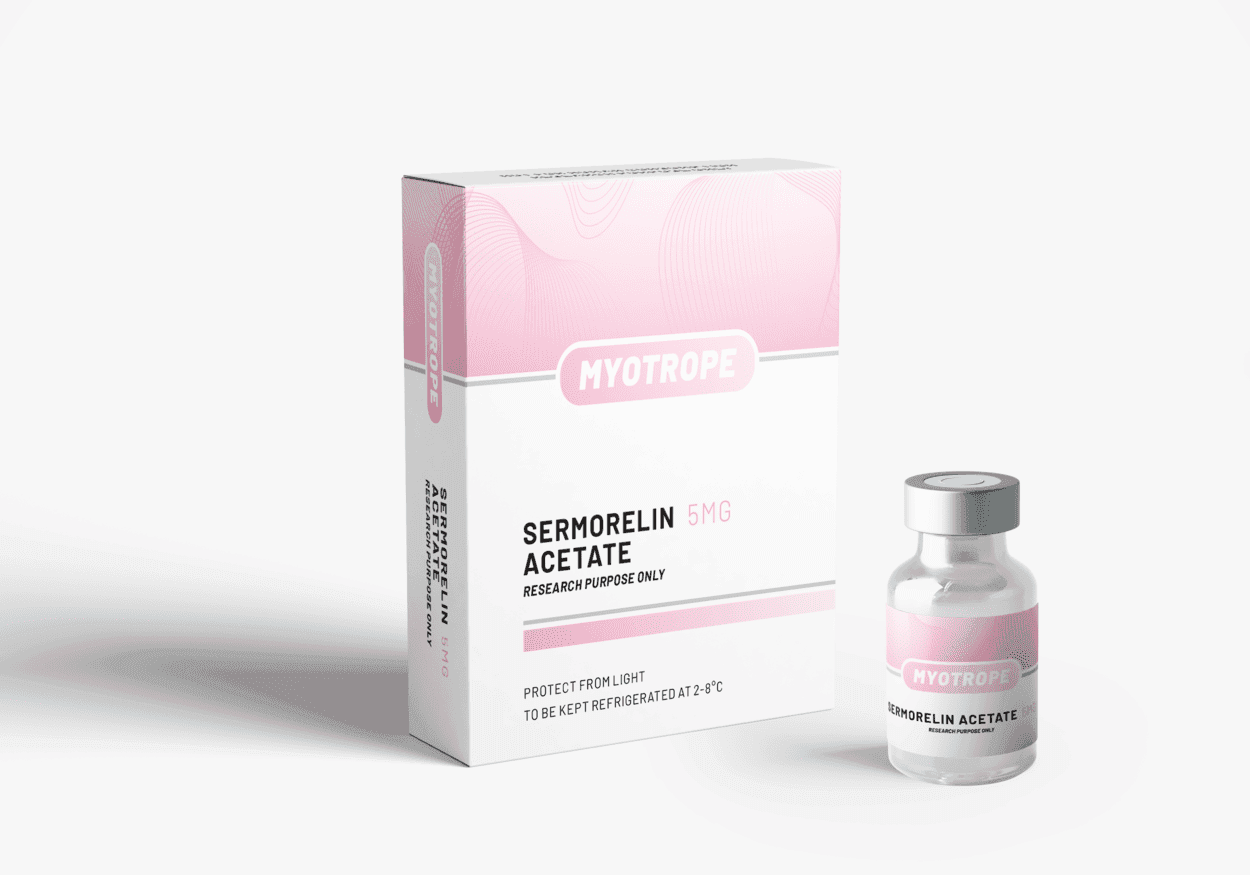
Sermorelin is most powerful when combined with GHRPs that provide complementary pituitary stimulation via ghrelin receptor pathways.
Stacks with (2)
Cycling:Protocols typically run 3–6 months minimum. Monitor IGF-1 at 4–6 week intervals to guide dose titration. Allow 4-week rest between extended cycles.
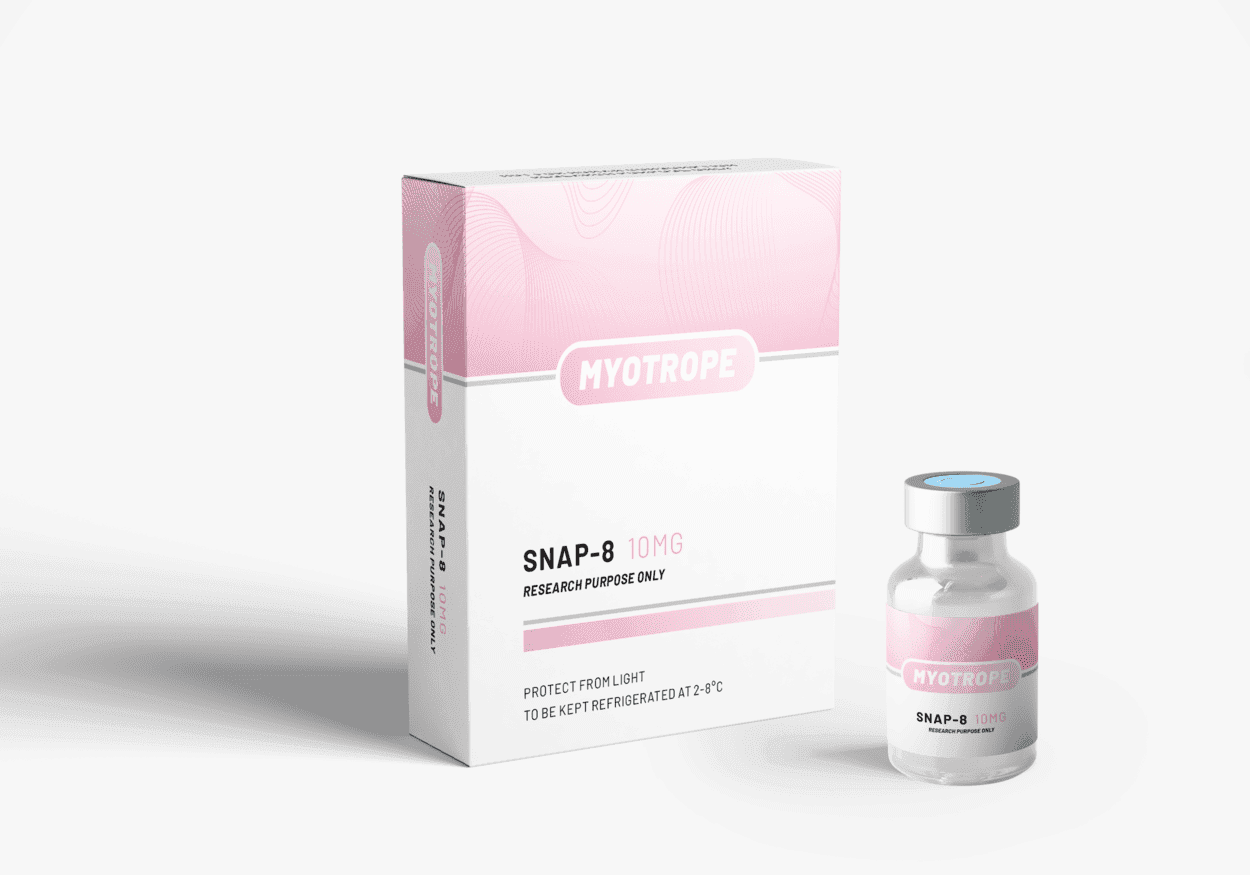
SNAP-8 is commonly combined with complementary skin and collagen-focused peptides for comprehensive dermal regeneration and aesthetic research protocols.
Stacks with (2)
Cycling:Standard protocols: 8–12 weeks with consistent daily dosing. Results typically require continuous administration to maintain — discontinuation allows gradual return to baseline muscle tone.
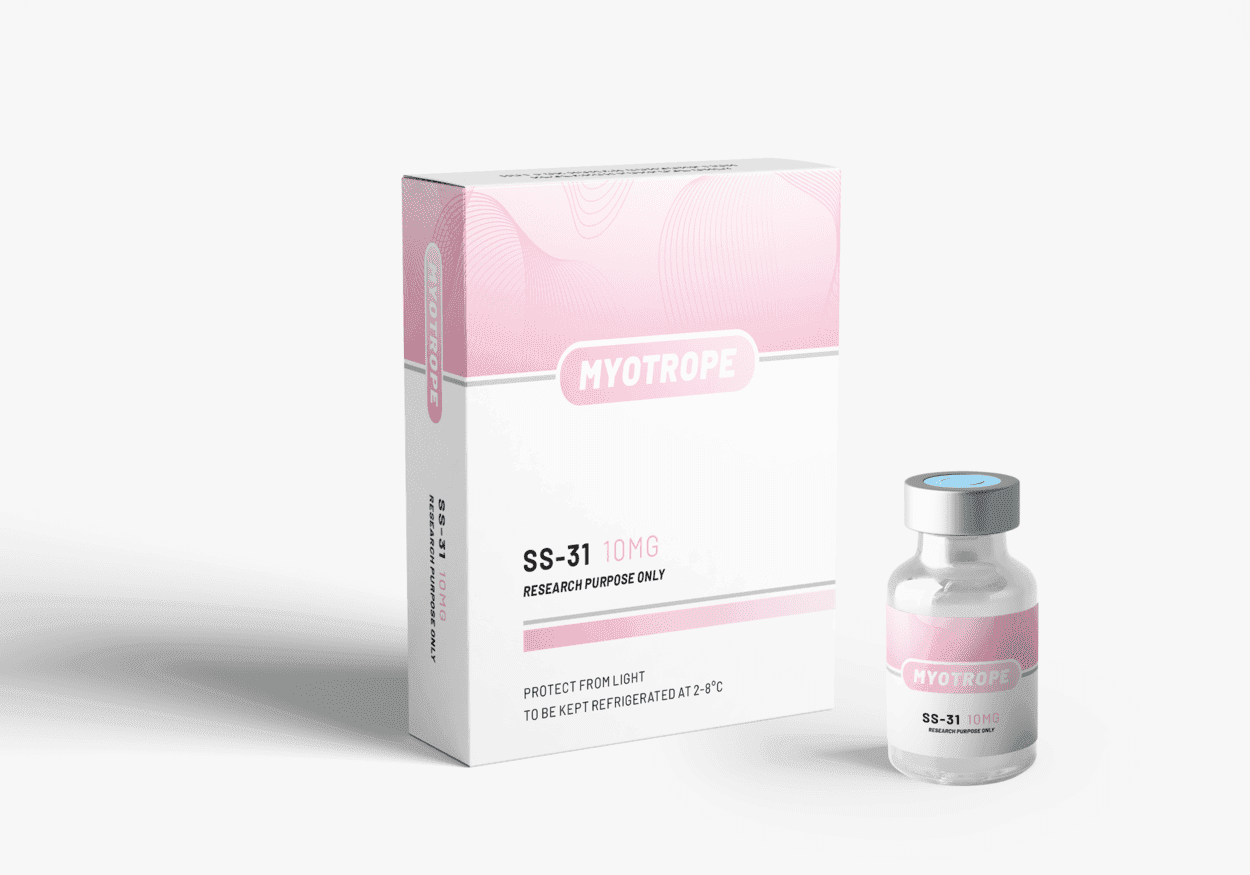
SS-31 is the centrepiece of mitochondrial-focused research stacks, pairing powerfully with compounds that target complementary aspects of cellular energy metabolism.
Stacks with (4)
Cycling:Standard protocols: 8–12 weeks on, followed by 4-week rest. Advanced protocols may run continuously with periodic IGF and mitochondrial function marker monitoring.
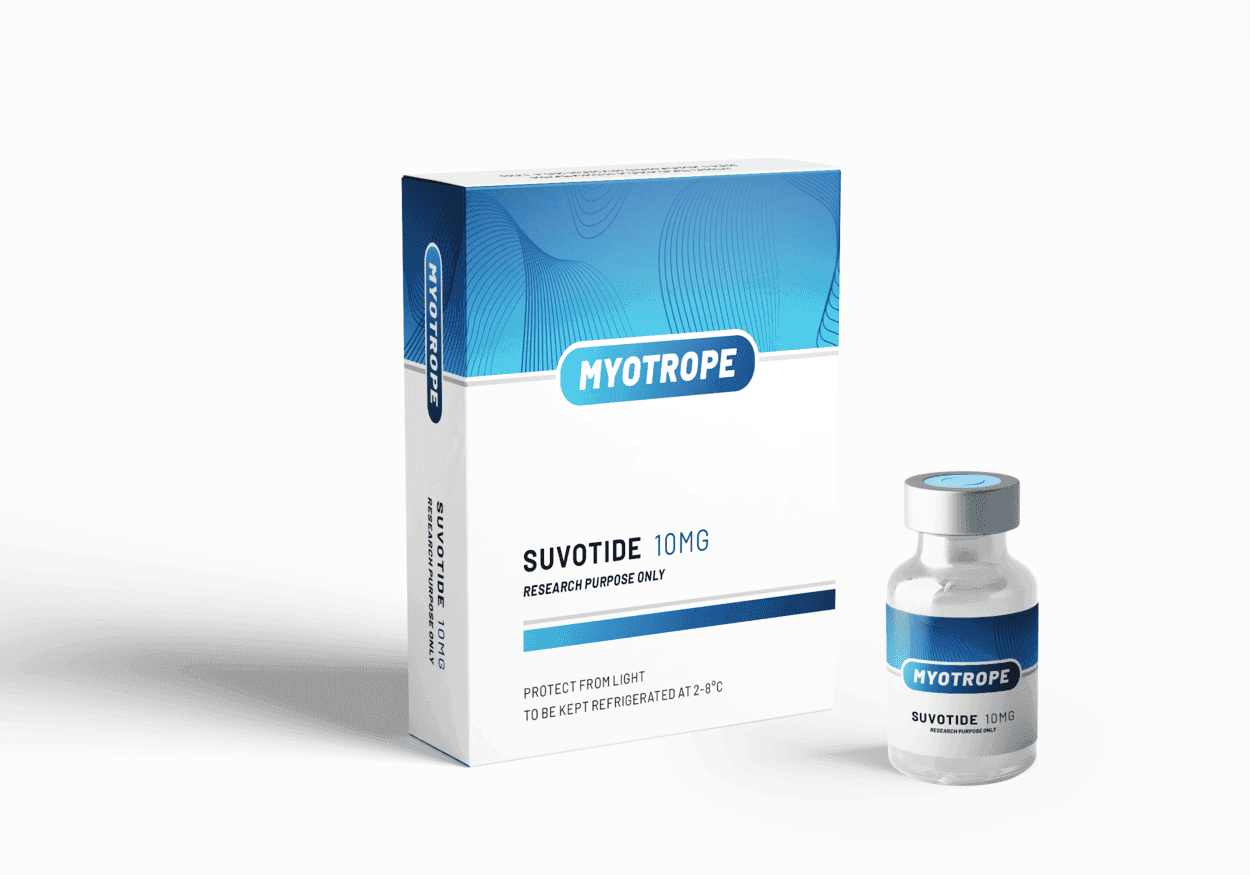
Survodutide's unique GLP-1/glucagon dual mechanism positions it in specific metabolic research stacks focused on liver health and weight management.
Stacks with (5)
Cycling:Survodutide is used as continuous once-weekly maintenance — not cycled. Titrate to maximum tolerated dose and maintain for the full protocol duration (minimum 16 weeks for meaningful metabolic endpoints).
Preclinical research suggests combining TB-500 with complementary peptides can enhance tissue repair and regeneration outcomes. These combinations target multiple pathways for amplified healing effects.
Stacks with (4)
Cycling:Standard research cycles are 8–12 weeks with optional extension to 16 weeks. Consider rest periods between cycles.
Tesamorelin pairs well with peptides that target complementary fat loss and metabolic pathways.
Stacks with (6)
Cycling:Minimum 12 weeks; clinical evidence supports 26–52 weeks with IGF-1 monitoring. Allow 4–8 week rest between extended cycles.
Tesamorelin pairs well with peptides that target complementary fat loss and metabolic pathways.
Stacks with (6)
Cycling:Minimum 12 weeks; clinical evidence supports 26–52 weeks with IGF-1 monitoring. Allow 4–8 week rest between extended cycles.
Testagen combines well with other bioregulatory peptides for comprehensive endocrine and longevity support.
Stacks with (4)
Cycling:Standard cycle: 8–12 weeks with 4-week rest. Extended to 16 weeks in clinical bioregulator research. Monitor thyroid hormones and reproductive markers periodically.
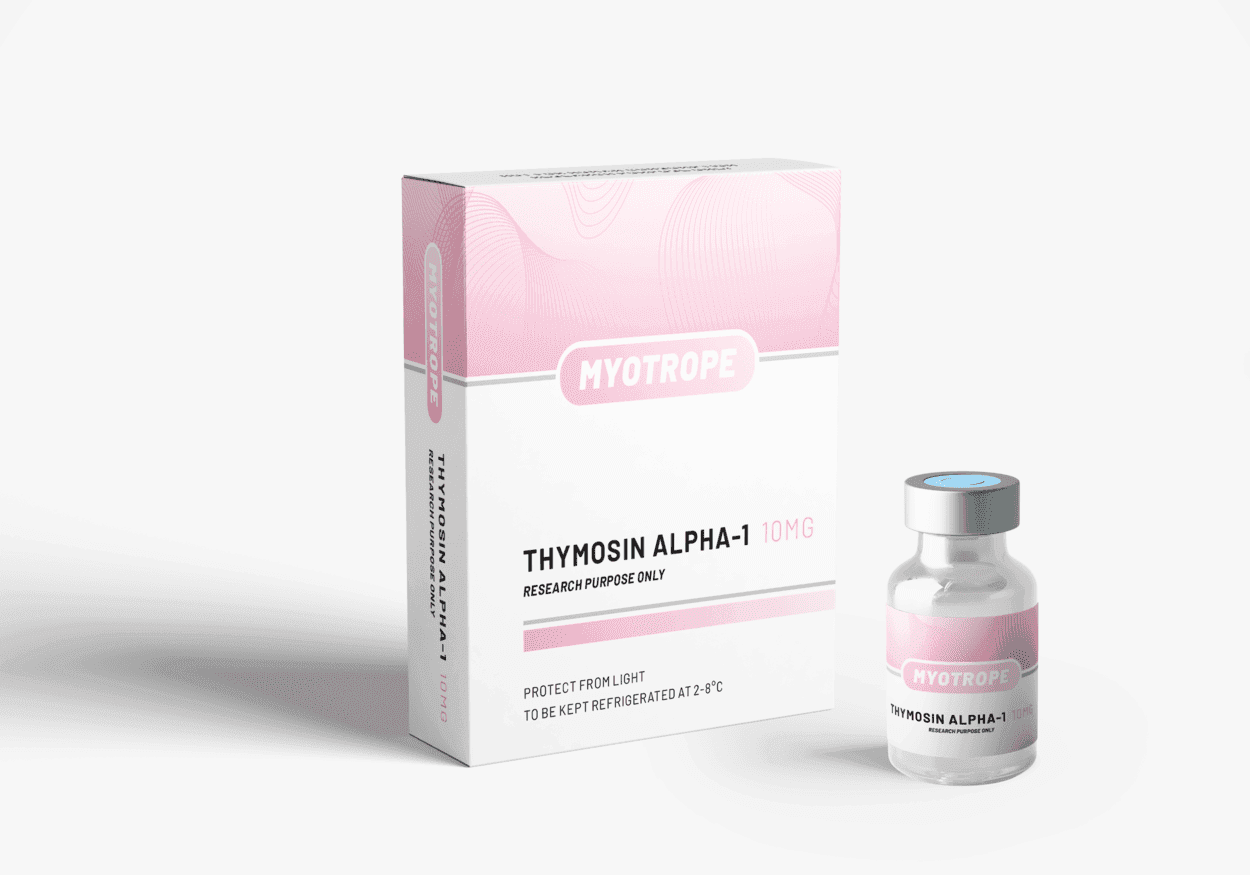
Thymosin Alpha-1 combines powerfully with other immune-modulating and regenerative peptides.
Stacks with (4)
Cycling:Standard cycle: 8–12 weeks with 4-week rest. Extended to 16 weeks in clinical immune restoration protocols. Monitor CD4/CD8 counts and inflammatory markers in intensive protocols.
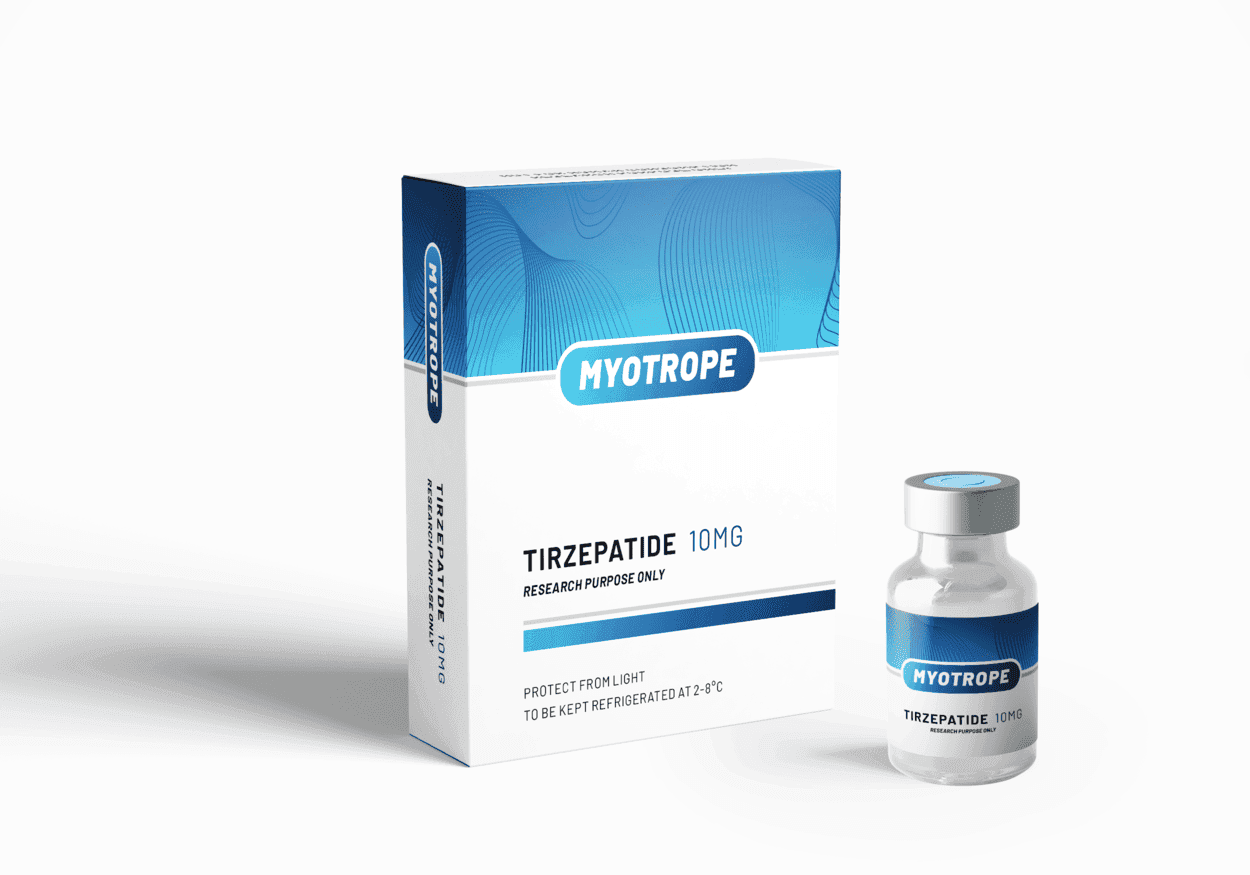
Clinical research suggests combining Tirzepatide with complementary peptides can enhance weight management and metabolic outcomes. These combinations target multiple pathways for amplified fat-burning and appetite control effects.
Stacks with (7)
Cycling:Schedule: Once-weekly subcutaneous injection for 12–26+ weeks. Continue for sustained weight loss and metabolic improvement.
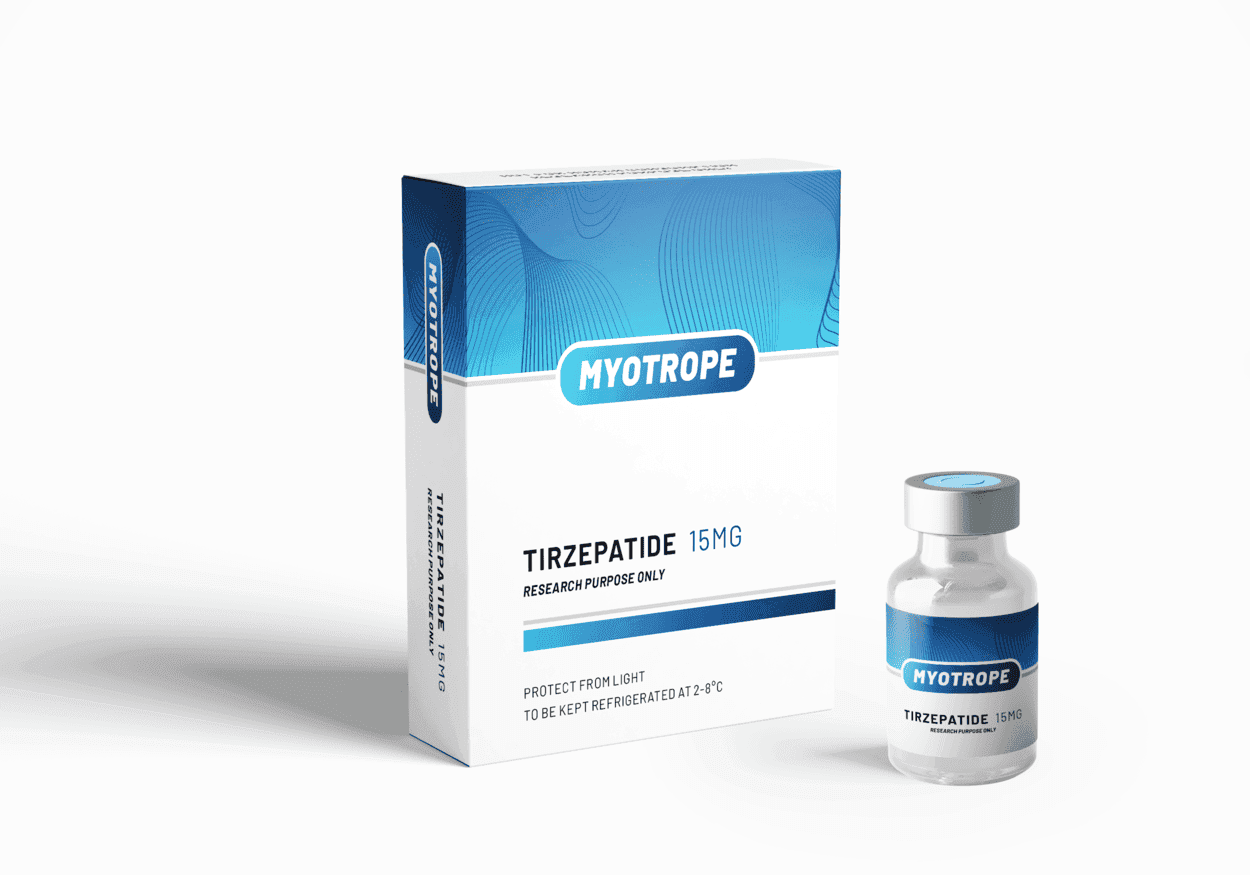
Clinical research suggests combining Tirzepatide with complementary peptides can enhance weight management and metabolic outcomes.
Stacks with (7)
Cycling:Once-weekly subcutaneous injection for 12-16+ weeks.
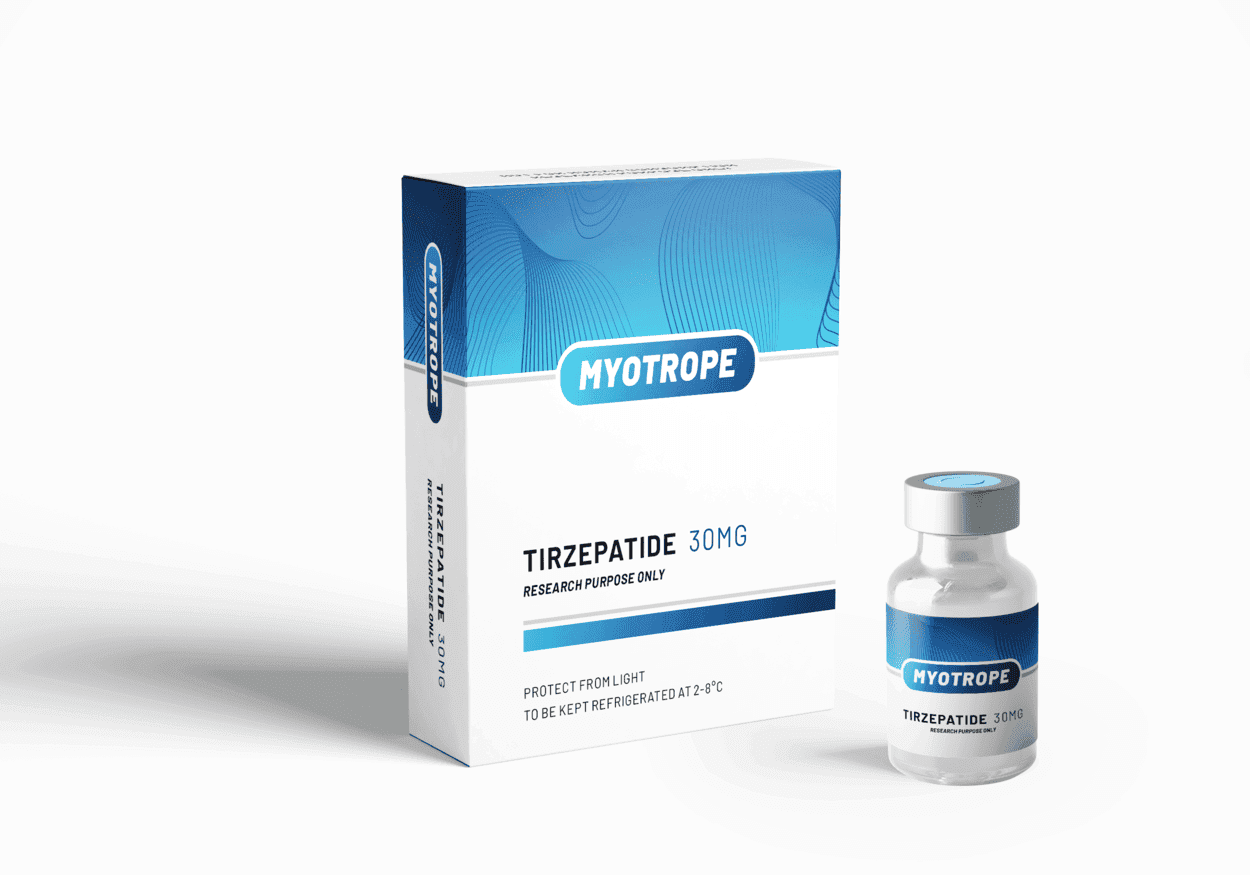
Clinical research suggests combining Tirzepatide with complementary peptides can enhance weight management and metabolic outcomes.
Stacks with (7)
Cycling:Once-weekly subcutaneous injection for 12–26+ weeks.
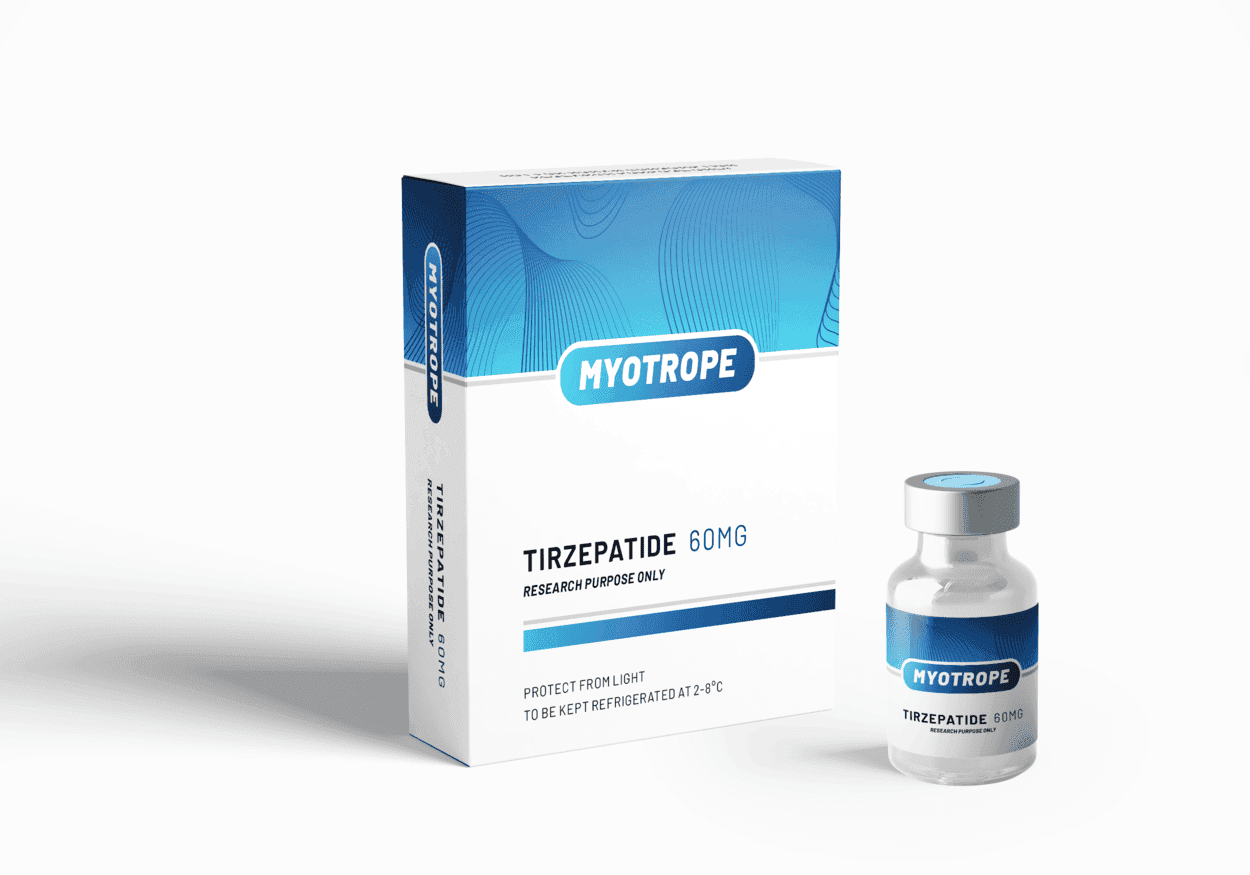
Clinical research suggests combining Tirzepatide with complementary peptides can enhance weight management and metabolic outcomes.
Stacks with (7)
Cycling:Once-weekly subcutaneous injection for 12–26+ weeks.
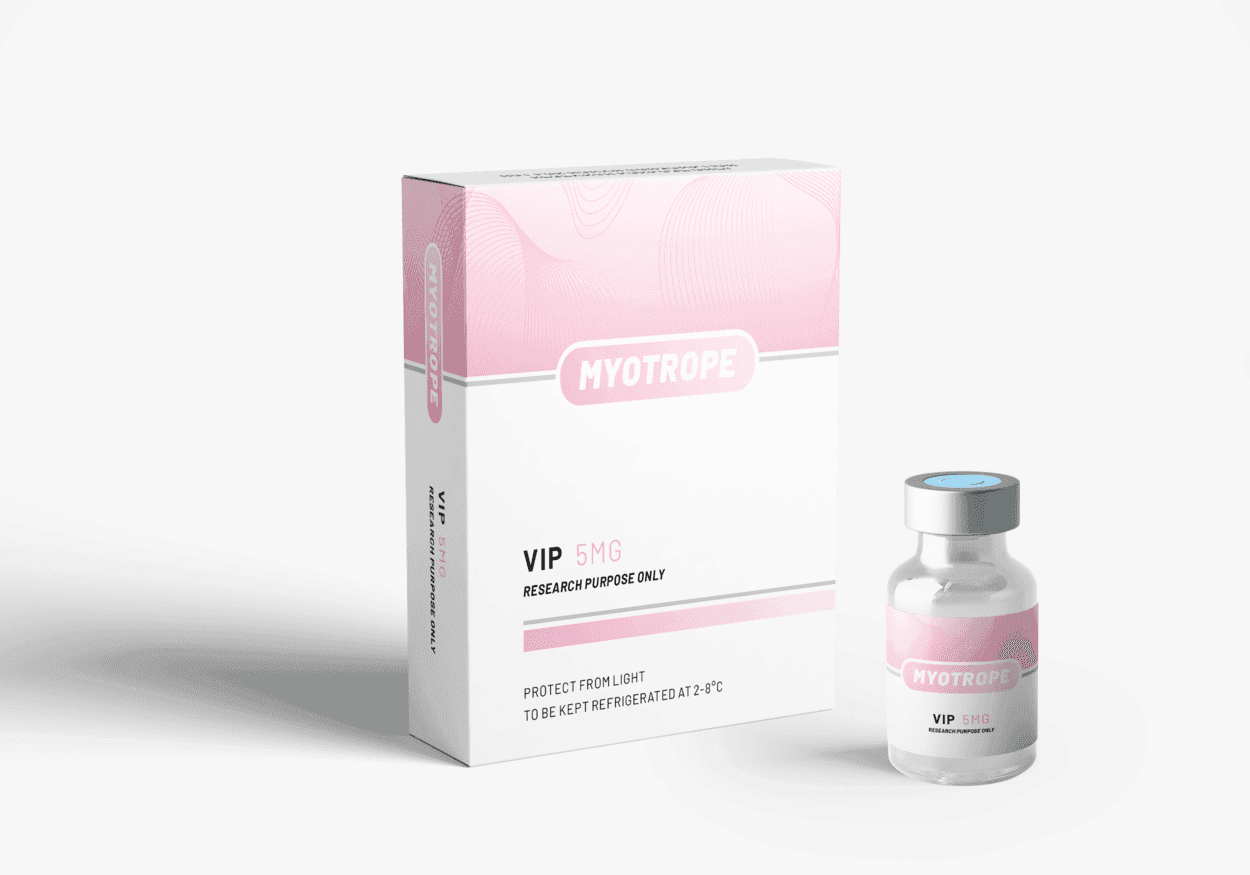
VIP combines synergistically with peptides that modulate immune and vascular pathways.
Stacks with (4)
Cycling:Standard cycle: 8–16 weeks. Titrate slowly to allow the vascular system to adapt. Monitor blood pressure and inflammatory markers during extended use.
Questions about stacking?
Our team can help with technical questions about peptide combinations and research protocols.