Safety data sheet
Standardized safety protocols and material specifications for professional use.
Certificate of Analysis
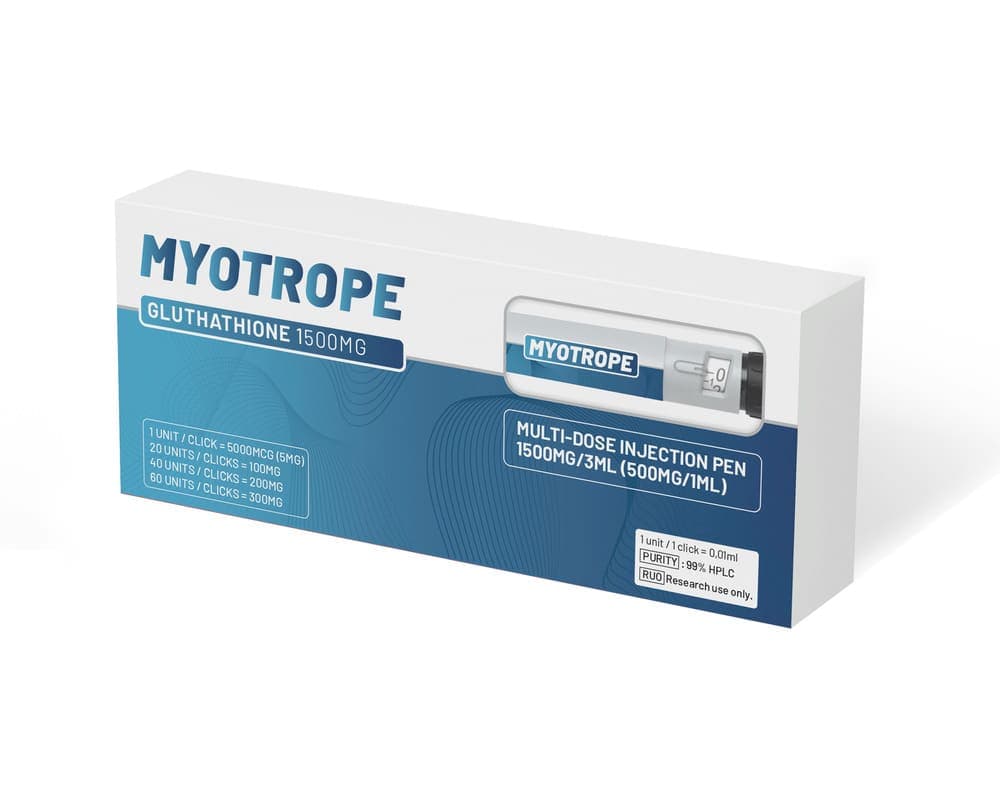
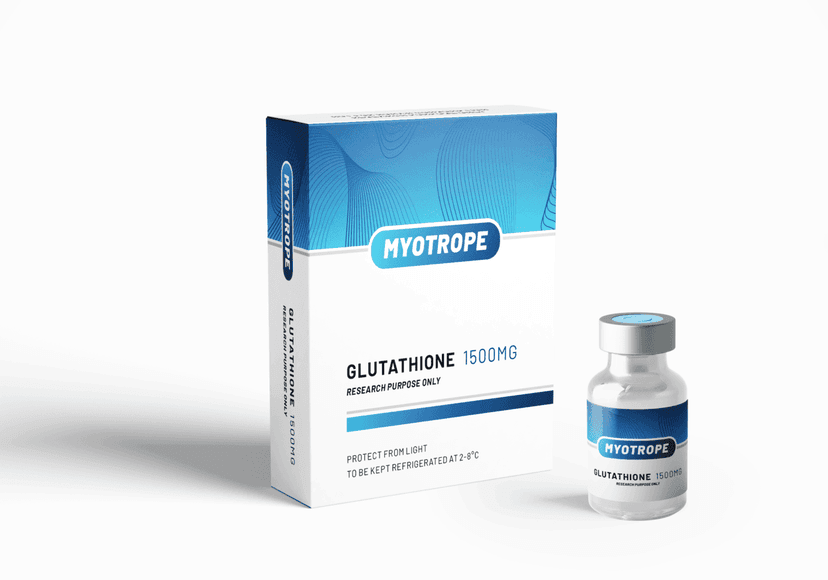
Purity verified via High-Performance Liquid Chromatography (HPLC) for #myo-glutathione-1500mg
Glutathione (1500mg)
Ultra High >99.8% Purity
Authorized Resellers
Available through our trusted partners
123peptide.com
Netherlands · Europe
local_shipping2-3 Business Days
Depeptidenwinkel.com
Netherlands · Europe
local_shipping2-3 Business Days
Scientific Background
Glutathione (γ-L-Glutamyl-L-Cysteinyl-Glycine) is the body's master antioxidant — a tripeptide synthesised in virtually every cell and central to maintaining the cellular redox balance. It consists of glutamate, cysteine, and glycine, with the thiol (-SH) group of cysteine providing its primary antioxidant capacity.
Glutathione serves as a co-factor for glutathione peroxidase enzymes that neutralise hydrogen peroxide and lipid peroxides, a conjugator for Phase II liver detoxification of xenobiotics, and a recycling agent for vitamins C and E. It plays a critical role in immune cell proliferation, mitochondrial function, and DNA synthesis and repair.
Research has linked glutathione depletion to aging, liver disease, neurodegenerative conditions, and immune dysfunction. High-dose supplementation protocols are studied for their potential to restore systemic antioxidant capacity, support hepatic detoxification, and modulate melanogenesis in skin research contexts.
Intended Research Use
- Cellular redox balance and antioxidant defence studies
- Hepatic detoxification pathway research
- Immune function modulation (lymphocyte proliferation)
- Oxidative stress reduction models
- Skin tone and melanogenesis research
- Mitochondrial protection and energy metabolism studies
menu_bookScientific Publications
Antioxidants & Redox Signaling (2010)
Glutathione and glutathione-dependent enzymes represent a co-ordinately regulated defence against oxidative stress
open_in_newhttps://pubmed.ncbi.nlm.nih.gov/19778272/
Clinical, Cosmetic and Investigational Dermatology (2017)
Glutathione and its antiaging and antimelanogenic effects
open_in_newhttps://pubmed.ncbi.nlm.nih.gov/28490897/
Journal of Gastroenterology and Hepatology (2017)
Efficacy of glutathione for the treatment of nonalcoholic fatty liver disease
open_in_newhttps://pubmed.ncbi.nlm.nih.gov/28183162/
FOR RESEARCH USE ONLY. This product is intended for laboratory research purposes only and is not for human consumption, medical, or diagnostic use.
Possible stacks with other peptides
Synergistic combinations for enhanced research outcomes
Glutathione is commonly combined with compounds that complement its antioxidant and metabolic support roles.
NAD+ 500mg (500mg vial)
arrow_forwardmyo-nad-plus-500mg
Antioxidant and metabolic synergy — NAD+ fuels mitochondrial energy production while glutathione neutralises the reactive oxygen species generated, creating a complementary cellular protection and energy protocol.
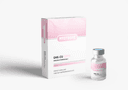
GHK-Cu 50mg (50mg vial)
arrow_forwardmyo-ghk-cu-50mg
Skin and tissue repair combination — GHK-Cu stimulates collagen and antioxidant gene expression while glutathione reduces oxidative damage, together supporting skin health and matrix integrity research.
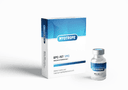
BPC-157 (5mg vial)
arrow_forwardmyo-bpc-157-5mg
Gut health and detoxification support — BPC-157's gastroprotective and mucosal healing properties complement glutathione's hepatic detoxification support in gut-liver axis research models.
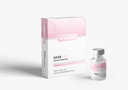
AICAR (50mg vial)
arrow_forwardmyo-aicar-50mg
Metabolic function pairing — AICAR boosts AMPK-driven energy balance and fatty acid oxidation while glutathione provides antioxidant coverage for the increased metabolic activity.
Cycling Note: Typical cycles: 4–8 weeks on, followed by 2–4 weeks off. Monitor oxidative stress biomarkers where possible to assess protocol response.