
Research Insights
In-depth articles on peptide science, analytical methodology, and emerging trends in biomedical research.
 News
NewsInside the European Peptide & Analytics Gateway Summit 2026
Myotrope joined leading researchers, manufacturers, and analytical chemists at EPAG Summit 2026 in Amsterdam — a three-day event redefining how the peptide research community shares quality data and builds scientific trust.
 Clinical Study
AOD-9604 Peptide: Fat Loss Benefits, Side Effects, and How It Works
AOD-9604 is a synthetic fragment of human growth hormone engineered to drive fat metabolism without the hormonal side effects of full HGH. This guide covers its mechanism, documented benefits, side-effect profile, and how it compares to other metabolic compounds.
 Clinical Study
Semax Dosing Guide 2026: Protocols, Cycles, and What the Research Shows
Semax is a synthetic analogue of ACTH(4–7) developed in Russia as a neuroprotective and cognition-enhancing compound. This 2026 dosing guide covers established administration routes, cycle lengths, and the evidence base behind its research use.
Clinical StudyAOD-9604: Research Applications, Mechanism of Action, and Body Composition Protocols
A focused look at how AOD-9604 — the C-terminal fragment of human growth hormone — exerts its lipolytic and anti-lipogenic effects, the research contexts where it is most studied, and the protocol considerations that shape reproducible results.
 Clinical Study
Peptide Efficacy in Metabolic Health: Gender-Specific Findings
An analysis of peptide interactions across dimorphic metabolic pathways, highlighting variations in cellular uptake and receptor affinity between gender cohorts.
 Clinical Study
GLP-1 Peptides for Weight Loss in 2026: Semaglutide, Tirzepatide, Retatrutide, and Survodutide Compared
The GLP-1 receptor agonist class has expanded rapidly. This 2026 comparison covers the four most-studied compounds — semaglutide, tirzepatide, retatrutide, and survodutide — their receptor targets, clinical weight-loss data, side-effect profiles, and where each fits in research design.
 Clinical Study
Ipamorelin: Benefits, Recovery Applications, and Dosing Guide 2026
Ipamorelin is a selective growth hormone-releasing peptide (GHRP class) that stimulates GH release with minimal effect on cortisol or prolactin. This guide examines its recovery, body composition, and sleep quality research, alongside dosing protocols.
 Trends
Emerging Trends in Longevity Research: Senolytics & NAD+ Precursors
Evaluating the next generation of senolytic compounds and their potential to modulate NAD+ precursors for enhanced mitochondrial resilience.
 Clinical Study
Tesamorelin for Fat Loss and Recovery: Dosage Guide and Clinical Data
Tesamorelin is a synthetic GHRH analogue with FDA approval for HIV-associated lipodystrophy. Its visceral fat reduction and IGF-1 modulation data have made it a focus in body composition and metabolic research beyond its approved indication.
 Clinical Study
Retatrutide Side Effects: What Phase 2 Trial Data Reveals
Retatrutide's Phase 2 trial data offers the most detailed picture yet of the tolerability profile for triple GLP-1/GIP/glucagon receptor agonism. This analysis examines the side effects reported, their frequencies, and the dose-dependent patterns that shape protocol design.
Clinical StudyRetatrutide Dosing: Clinical Data and Protocol Design Insights
The Phase 2 NEJM trial for retatrutide tested five dose arms. This analysis unpacks what that data shows about optimal dosing strategy, weight-loss kinetics, and the protocol design considerations most relevant for research applications.
Clinical StudyRetatrutide Half-Life and Dosing Frequency: What the Pharmacokinetics Mean for Weight Loss Research
Retatrutide's ~6-day half-life enables once-weekly subcutaneous dosing — a pharmacokinetic property that shapes everything from plasma concentration curves to participant compliance in trial design. Here is what the PK data means for research protocols.
Clinical StudySurvodutide: The GLP-1/Glucagon Dual Agonist Redefining Metabolic Research
Survodutide (BI 456906) pairs GLP-1 and glucagon receptor activation without GIP — a distinct dual-agonist profile that has drawn significant research interest for NASH, visceral fat reduction, and hepatic metabolic disease endpoints.
 Methodology
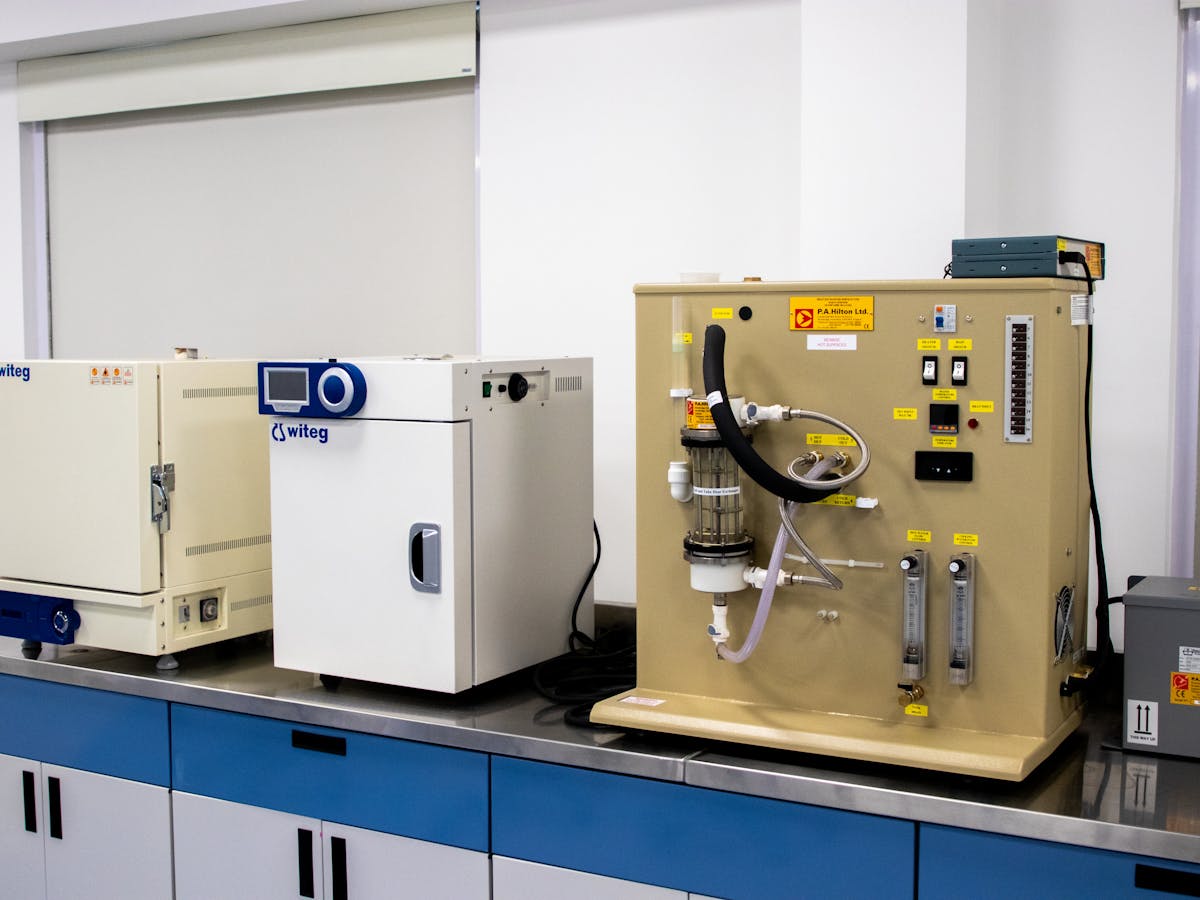
Optimizing HPLC Protocols for High-Purity Peptide Synthesis
Technical review of reverse-phase chromatography techniques used to achieve purity levels exceeding 99% in large-scale peptide production.
Clinical StudySS-31 (Elamipretide): Mitochondrial Protection, Cardioprotection, and Research Applications
SS-31 (elamipretide) is a mitochondria-targeting tetrapeptide that binds cardiolipin in the inner mitochondrial membrane. Its ability to restore mitochondrial cristae structure and reduce oxidative stress has positioned it as a leading compound in cardiac, renal, and aging research.
Clinical StudySLU-PP-332: The ERRα Agonist Mimicking Exercise at the Molecular Level
SLU-PP-332 activates estrogen-related receptor alpha (ERRα) — a master regulator of mitochondrial biogenesis and oxidative metabolism. Preliminary research shows it replicates key cellular signatures of endurance exercise, including PGC-1α upregulation and fatty acid oxidation enhancement.
Clinical StudyCagrilintide: The Long-Acting Amylin Analogue Transforming Combination Obesity Research
Cagrilintide is a long-acting amylin analogue that acts on satiety centres in the brainstem through a mechanism complementary to GLP-1 agonism. Its combination with semaglutide in CagriSema has produced some of the most compelling weight-loss data published to date.
Clinical StudyARA-290: The Non-Haematopoietic EPO Peptide With Neuroprotective and Anti-Inflammatory Action
ARA-290 is an 11-amino-acid peptide derived from the helix B surface of erythropoietin. By selectively activating the INNATE repair receptor rather than the classical EPO receptor, it delivers tissue-protective effects without red blood cell stimulation.
 Clinical Study
The Role of BPC-157 in Tissue Repair: A Research Overview
Comprehensive review of BPC-157 research findings, examining its reported effects on tissue repair mechanisms, angiogenesis, and the nitric oxide system.
Clinical StudyDSIP (Delta Sleep-Inducing Peptide): Sleep Research, Stress Response, and Endocrine Modulation
Delta Sleep-Inducing Peptide (DSIP) was identified in the 1970s from rabbit cerebral venous blood during slow-wave sleep. Decades of research have revealed its role extends beyond sleep — into stress adaptation, hypothalamic-pituitary regulation, and antioxidant pathways.
 Methodology
Peptide stacking: a guide to multi-compound research protocols
Why researchers combine peptides into stacks, how synergistic pathways work, and practical guidelines for designing multi-compound protocols — from the classic BPC-157 + TB-500 to growth hormone and cognitive stacks.
Clinical StudyEpitalon Cycling Protocols: How to Structure Research Cycles for Maximum Endpoint Clarity
Designing reproducible Epitalon research requires structured cycling — not just because of washout considerations, but because telomerase activation and circadian restoration are time-dependent processes. This guide covers the protocol structures used in the longest-running studies.
Clinical StudyEpitalon Dosage Guide: Protocols from Russian Research to Modern Practice
Epitalon has the longest published research history of any anti-aging tetrapeptide, with clinical investigations spanning more than three decades. This dosage guide examines the protocols from those trials alongside modern administration approaches.
 Clinical Study
Epitalon Peptide: Telomerase Activation and Longevity Research
Epitalon (Epithalon) is a synthetic tetrapeptide derived from the pineal gland. This overview covers its mechanisms of action, research findings on telomerase activation, and relevance to longevity science.
 Clinical Study
GHK-Cu Peptide: Hair Growth, Wound Healing, and Skin Research
GHK-Cu (copper peptide GHK) is among the most versatile peptides in biomedical research, studied for its roles in wound healing, hair follicle stimulation, collagen synthesis, and anti-inflammatory signalling.
 Clinical Study
Peptides for men vs. women: how biology shapes research outcomes
Sex-specific differences in receptor density, hormone interactions, and pharmacokinetics mean that peptide research outcomes can differ significantly between male and female models. Here's what the literature shows.
 Clinical Study
KPV Peptide: Anti-Inflammatory Mechanisms and Gut Health Research
KPV (Lys-Pro-Val) is a tripeptide fragment of α-MSH with potent anti-inflammatory properties. Research focuses on its application in IBD models, skin inflammation, and wound healing — often via oral or topical routes.
 Clinical Study
PT-141 (Bremelanotide): Melanocortin Receptor Agonism and Sexual Function Research
PT-141 (bremelanotide) is a cyclic heptapeptide melanocortin receptor agonist originally developed from Melanotan II. It is the first FDA-approved centrally acting treatment for hypoactive sexual desire disorder — and a key subject in CNS and sexual physiology research.
 Clinical Study
Oxytocin Peptide: Social Bonding, Stress Response, and Research Applications
Oxytocin is a nine-amino-acid neuropeptide produced in the hypothalamus with established roles in parturition, lactation, and social behaviour. Research increasingly links it to anxiety modulation, trust, pain perception, and metabolic regulation.
 Clinical Study
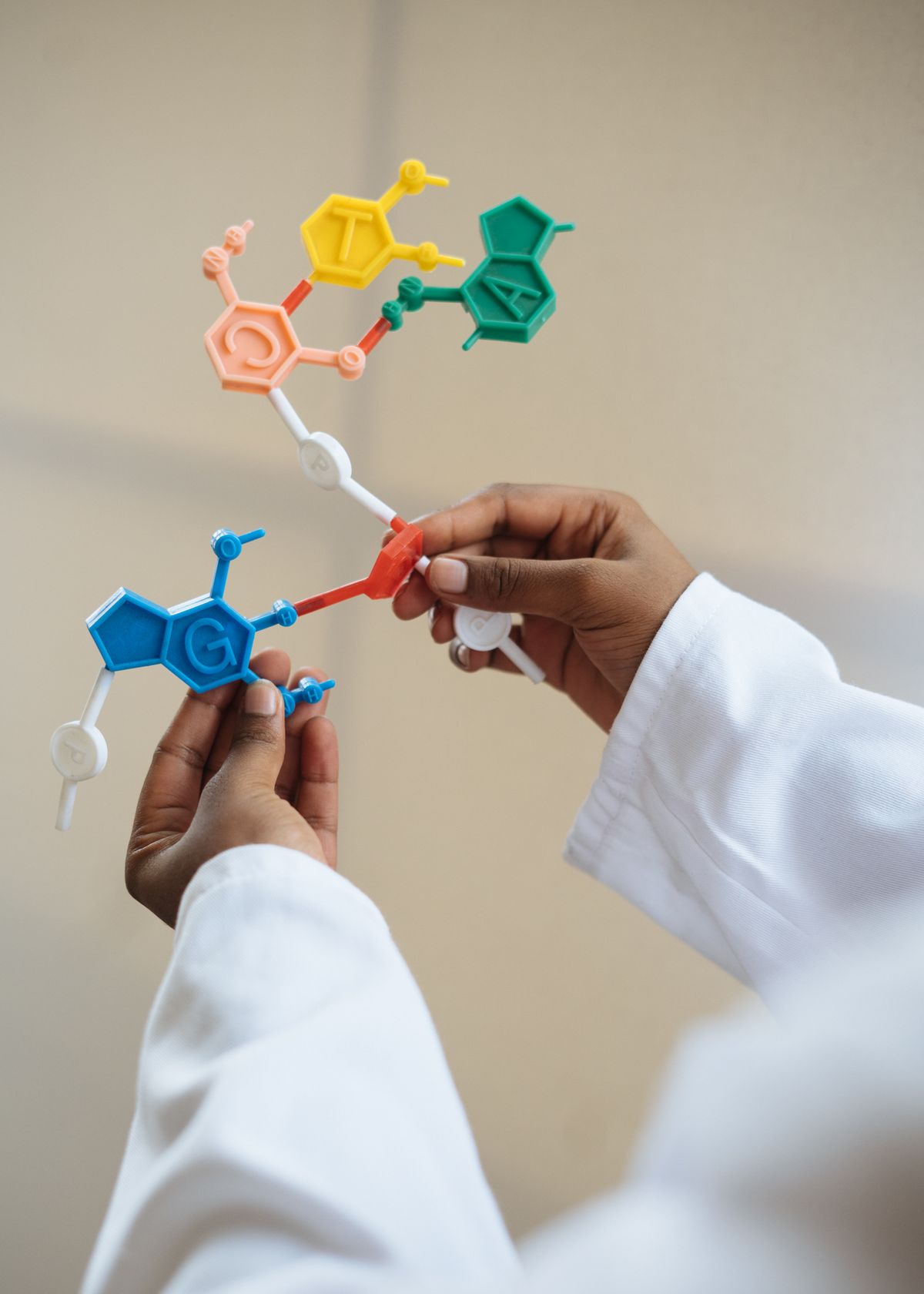
PE-22-28 Peptide: TREK-1 Channel Inhibition and Antidepressant Research
PE-22-28 is a synthetic fragment of spadin that inhibits TREK-1 two-pore-domain potassium channels. Preclinical data positions it as a rapid-onset antidepressant candidate with a novel mechanism distinct from SSRIs or ketamine.
 Clinical Study
Peptides for Recovery: BPC-157, TB-500, and the Regenerative Research Landscape
BPC-157 and TB-500 (Thymosin Beta-4 fragment) are the two most studied peptides for tissue repair and recovery in preclinical models. This review covers their distinct mechanisms, synergies, and the current evidence base.
 Clinical Study
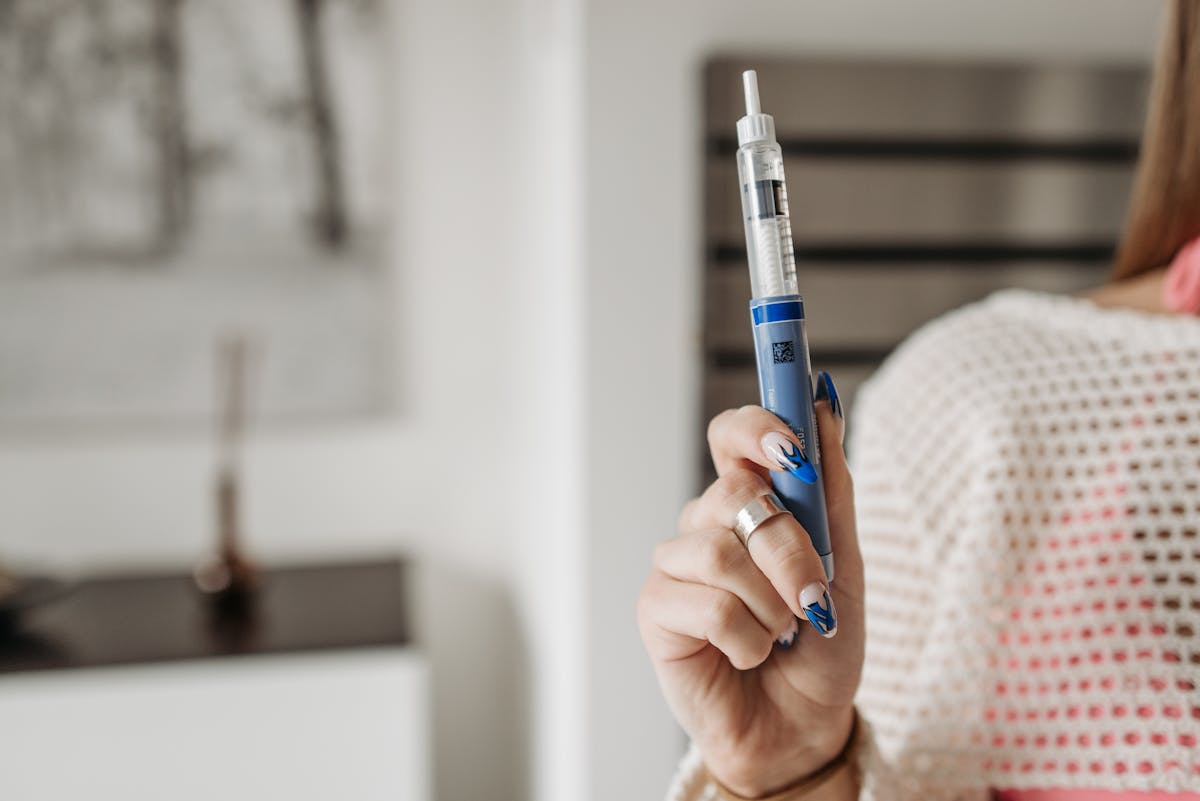
What is Semaglutide? Mechanism, effects, and research findings
Semaglutide is the most researched GLP-1 receptor agonist in the world. This article breaks down how it works, what preclinical and clinical studies have found, and why it has become central to metabolic and obesity research.
 Clinical Study
TB-500 explained: Thymosin Beta-4, tissue repair, and recovery research
TB-500 is a synthetic version of Thymosin Beta-4, one of the most abundant and versatile peptides in the body. This article covers its mechanisms, what preclinical studies have found across musculoskeletal and cardiovascular tissues, and how it differs from BPC-157.
 Clinical Study
GHK-Cu: the science behind copper peptides for skin and hair research
GHK-Cu is a naturally occurring copper peptide with a remarkable range of biological activities — from collagen synthesis and wound repair to antioxidant defence and hair follicle activation. Here's what the research literature shows.
 Clinical Study
CJC-1295 + Ipamorelin: understanding the GH-releasing peptide stack
CJC-1295 and Ipamorelin are the most studied GH-releasing peptide combination in preclinical research. This article explains how each works, why they are used together, and what the data shows across ageing, body composition, and recovery models.
 Trends
Selank and Semax: cognitive peptides and neuroprotection research
Developed in Russia and studied extensively in Eastern European research institutions, Selank and Semax are among the most investigated cognitive peptides in preclinical literature. This overview examines their mechanisms, what the data shows, and how they differ.