
Safety data sheet
Standardized safety protocols and material specifications for professional use.
Certificate of Analysis
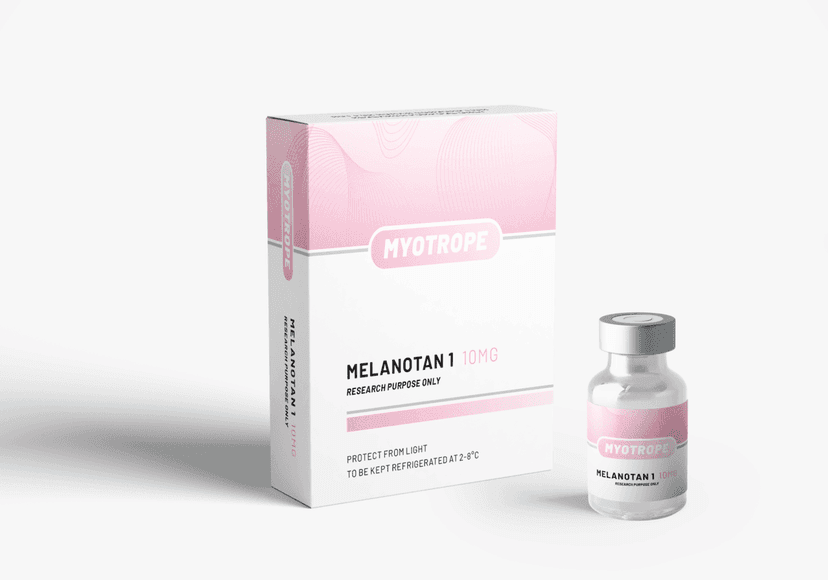
Purity verified via High-Performance Liquid Chromatography (HPLC) for #myo-melanotan-i-10mg
Melanotan I (10mg)
Ultra High >99.5% Purity
Authorized Resellers
Available through our trusted partners
123peptide.com
Netherlands · Europe
local_shipping2-3 Business Days
Depeptidenwinkel.com
Netherlands · Europe
local_shipping2-3 Business Days
Scientific Background
Melanotan I (afamelanotide) is a synthetic analog of alpha-melanocyte-stimulating hormone (α-MSH), a 14-amino-acid linear peptide that acts as a potent agonist at melanocortin receptors — particularly MC1R (melanocortin-1 receptor). Afamelanotide is the most clinically advanced melanocortin peptide and received EMA approval in 2014 under the brand name Scenesse for erythropoietic protoporphyria (EPP).
Unlike Melanotan II, Melanotan I is a linear peptide without the cyclic structure and does not significantly activate MC3R or MC4R, making it more selective for MC1R-mediated melanogenesis with minimal sexual side effects. MC1R activation by Melanotan I stimulates eumelanin (brown/black pigment) production in melanocytes through the cAMP/CREB signaling pathway, producing photoprotective tanning without requiring UV exposure — though UV exposure substantially accelerates the tanning response.
Beyond pigmentation, MC1R has roles in anti-inflammatory signaling, photoprotection from UV-induced DNA damage, and regulation of melanocyte proliferation. Research continues to explore Melanotan I's applications in photodermatology, vitiligo, and skin protection from solar radiation.
Intended Research Use
- MC1R-mediated melanogenesis and photoprotective tanning research
- Erythropoietic protoporphyria (EPP) and photosensitivity disorder modeling
- Eumelanin production and melanocyte biology studies
- UV photoprotection mechanism research via melanin upregulation
- Vitiligo repigmentation research models
- Anti-inflammatory MC1R signaling pathway studies
- Melanocortin receptor selectivity research (MC1R vs. MC3/4R)
menu_bookScientific Publications
NEJM (2015)
Afamelanotide for erythropoietic protoporphyria
open_in_newhttps://pubmed.ncbi.nlm.nih.gov/26244305/
J Eur Acad Dermatol Venereol (2015)
Afamelanotide (Scenesse) is approved in the EU for photoprotection in erythropoietic protoporphyria
open_in_newhttps://pubmed.ncbi.nlm.nih.gov/26178544/
Br J Dermatol (2019)
Photoprotection by melanin and the role of MC1R in UV-induced tanning
open_in_newhttps://pubmed.ncbi.nlm.nih.gov/30773632/
J Invest Dermatol (2014)
Melanocortin 1 receptor (MC1R) variants and melanoma risk: A systematic review and meta-analysis
open_in_newhttps://pubmed.ncbi.nlm.nih.gov/24525713/
Peptides (2005)
Melanocortin receptors, melanotropic peptides and penile erection
open_in_newhttps://pubmed.ncbi.nlm.nih.gov/15797608/
Pharmacol Ther (2006)
Alpha-melanocyte-stimulating hormone: anti-inflammatory, immunomodulating and protective effects
open_in_newhttps://pubmed.ncbi.nlm.nih.gov/16740313/
Regulatory Note: Melanotan I (afamelanotide) is the only melanocortin peptide with formal EMA approval (Scenesse, CLINUVEL Pharmaceuticals), licensed for erythropoietic protoporphyria. Research use of this compound draws on a substantial clinical evidence base distinguishing it from most investigational peptides. Unlike Melanotan II, it does not significantly activate MC4R and therefore lacks the sexual arousal and appetite-suppressive effects associated with MC4R agonism.
FOR RESEARCH USE ONLY. This product is intended for laboratory research purposes only and is not for human consumption, medical, or diagnostic use.
Possible stacks with other peptides
Synergistic combinations for enhanced research outcomes
Melanotan I targets MC1R-mediated melanogenesis and photoprotection. Research combinations typically focus on complementary skin health, UV protection, and pigmentation pathways.
Melanotan II (10mg vial)
arrow_forwardmyo-melanotan-ii-10mg
Broader melanocortin receptor activation (MC1R + MC3R + MC4R) for comparison studies and receptor selectivity research.
PT-141 (Bremelanotide) (10mg vial)
arrow_forwardmyo-pt-141-bremelanotide-10mg
MC4R-selective agonist for comparison research — provides the sexual function effects absent in Melanotan I.
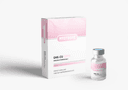
GHK-Cu (50mg vial)
arrow_forwardmyo-ghk-cu-50mg
Collagen synthesis and skin repair support to complement melanocyte-focused photoprotection research.
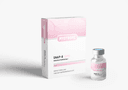
Snap-8 (10mg vial)
arrow_forwardmyo-snap-8-10mg
Anti-wrinkle and skin rejuvenation complement to Melanotan I photoprotection and pigmentation research.
Cycling Note: Melanotan I pigmentation effects develop over 2–6 weeks and can persist for weeks to months after discontinuation. Research cycles of 4–8 weeks loading followed by maintenance phases are typical.